


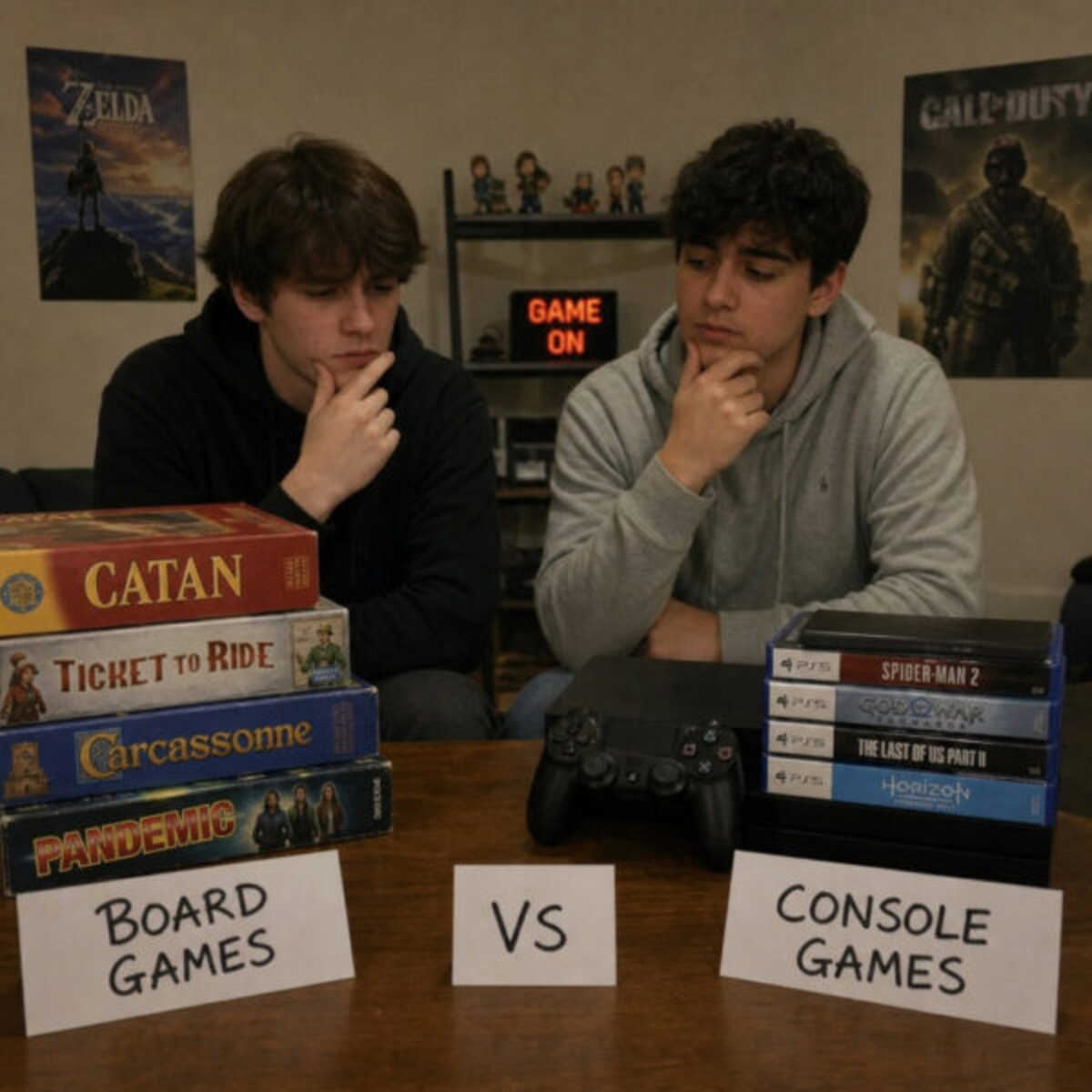
The best two-player games do more than fill time. They create tiny stories: the impossible save, the ridiculous mistake, the perfectly timed assist, the rematch that absolutely must happen. This list brings together fun 2 player games across video games, board games, party puzzles, and cozy co-op games, so you can match the mood instead of guessing from a store page. What do you consider about Pestoto.
Which fun 2 player game should you try first?
Start with the kind of interaction you want. If you want teamwork, choose a co-op game built around communication, such as It Takes Two, Overcooked! All You Can Eat, Portal 2, Codenames: Duet, or Keep Talking and Nobody Explodes. If you want lighter competition, Mario Kart 8 Deluxe and Ticket to Ride are easy to teach, easy to replay, and friendly enough for mixed skill levels.
Quick comparison at a glance:
- Best full co-op adventure: It Takes Two — a co-op-only platform adventure with local and online play options, plus Friend’s Pass support for inviting a second player when one player owns the full game.
- Best chaotic couch session: Overcooked! All You Can Eat — cooperative cooking mayhem with online multiplayer and cross-platform features listed by Team17.
- Best puzzle partnership: Portal 2 — a precision puzzle classic with online co-op and shared or split-screen co-op on Steam.
- Best cozy long-term pick: Stardew Valley — a farming and life sim with co-op options on supported platforms.
- Best gentle platformer: Unravel Two — a local co-op puzzle-platform adventure about two connected Yarnys.
- Best teamwork-under-pressure game: Lovers in a Dangerous Spacetime — a frantic couch co-op space shooter for 1 to 4 players on Nintendo Switch.
- Best communication challenge: Keep Talking and Nobody Explodes — one player handles the bomb while the other reads the manual, and the official site notes it can also be played remotely with voice chat.
- Best quick competition: Mario Kart 8 Deluxe — local multiplayer racing on Nintendo Switch, with up to 4 players on one system in TV Mode.
- Best word game for two: Codenames: Duet — a two-player cooperative word game built specifically for shared clue-giving.
- Best relaxed strategy board game: Ticket to Ride — a 2 to 5 player route-building board game that typically runs 30 to 60 minutes.
How we chose
We picked games that make two-player interaction feel essential, not decorative. Some games are technically playable by two people but feel empty without a crowd. The choices here work because the second player changes the rhythm: you coordinate, compete, communicate, divide tasks, or read each other’s intentions.
We also balanced accessibility with depth. A strong two-player game should be easy enough to start without a lecture, but rich enough that one session does not exhaust the fun. That is why the list includes fast racing, cozy farming, word association, board game strategy, puzzle-solving, and full campaign co-op games rather than ten versions of the same idea.
Finally, we favored games that suit real life. Some are ideal for date night, some for siblings, some for roommates, and some for friends online. Platform availability, local play, online options, and typical session length all matter, because the “best” game is often the one you can actually get to the table or screen tonight.
1. It Takes Two turns cooperation into the whole game
Why it is fun for 2 players: It Takes Two is built around the promise that two players must work together. The PlayStation listing describes it as a genre-bending platform adventure created purely for co-op, and that design choice matters because neither player feels like a sidekick. (playstation.com) One moment you are solving a movement puzzle, the next you are timing jumps, using complementary tools, or reacting to a new mini-game that changes the rules.
The fun comes from variety. Instead of asking both players to do the same thing, it often gives each person a different responsibility. That makes it excellent for pairs who like talking through problems, laughing at failed timing, and feeling as if every small victory belongs to both players.
What you need / platform: You need the game on a supported platform and a second player locally or online. EA’s help page notes that Friend’s Pass lets someone join online when invited by the player who owns the full version, which makes it one of the friendlier co-op games for pairs who do not want to buy two full copies immediately.
Typical time to play: Treat it as a campaign game rather than a quick party pick. A good session can be 45 to 90 minutes, especially if you want to clear a chapter, explore side activities, and enjoy the story beats without rushing.
Tips for playing:
- Swap roles when the game allows it so both players experience different mechanics.
- Do not treat mistakes as failure; most of the comedy comes from mistimed jumps and overconfident plans.
- Use voice chat if playing online, because many puzzles become easier when you describe what you see.
- If one player is stronger at platforming, let them coach without grabbing control of every decision.
2. Overcooked! All You Can Eat makes teamwork hilariously messy
Why it is fun for 2 players: Overcooked! All You Can Eat is the beautiful disaster version of cooperation. You and your partner chop, cook, plate, wash, serve, and panic while kitchens shift, hazards interrupt, and orders stack up faster than your plan can handle. Team17 describes the collection as bringing online multiplayer to the Overcooked experience, with cross-platform support and voice chat.
For two players, the magic is role division. One person can prep ingredients while the other cooks and plates. Then the level changes, your clean system breaks, and you both have to improvise. That constant switch from “we are professionals” to “why is the kitchen on fire?” is why it remains one of the most reliable fun 2 player games for instant laughter.
What you need / platform: You need the game on a supported platform and controllers or online access depending on how you play. Because platform and online requirements can vary, check the store page for your system before planning a remote session.
Typical time to play: Individual levels are short, often just a few minutes, but a satisfying session is usually 20 to 60 minutes. It works well when you want something lively without committing to a long campaign night.
Tips for playing:
- Assign jobs before the timer starts, then adjust after the first failed attempt.
- Say ingredient names out loud: “rice ready,” “fish chopped,” “plates needed.”
- Restarting a level is normal; the first run is reconnaissance.
- If tension rises, use assist options or play for stars later. The goal is shared fun, not culinary perfection.
3. Portal 2 rewards patient problem-solving
Why it is fun for 2 players: Portal 2 is one of the cleanest examples of puzzle co-op because both players must think spatially. Steam lists Portal 2 with online co-op and shared or split-screen co-op features, which makes it a flexible pick for two player games on PC setups. The core idea is simple: place portals, manipulate physics, press switches, redirect momentum, and survive the consequences.
The two-player fun comes from the gap between seeing the solution and executing it. You may know exactly where the portal belongs, but your partner has to time a jump, hold a button, or trust your slightly alarming instruction to “just leap.” When it clicks, the satisfaction is crisp and earned.
What you need / platform: The most common modern route is Steam on PC, where the store page lists co-op features. You will want voice communication if you are not in the same room, because precise instructions save a lot of wandering.
Typical time to play: Puzzle sessions work well in 30 to 75 minute blocks. Stop before frustration hardens, especially if you are stuck on one chamber; a five-minute break often solves what twenty minutes of stubbornness could not.
Tips for playing:
- Describe locations clearly: color, height, platform, button, and direction.
- Use in-game markers or pings when possible instead of saying “over there.”
- Let both players propose theories, even silly ones. Puzzle games punish tunnel vision.
- Celebrate partial progress. If you learned what does not work, you are closer than you were.
4. Stardew Valley turns co-op into a shared routine
Why it is fun for 2 players: Stardew Valley is less about one explosive match and more about building a gentle rhythm together. One player can water crops, the other can fish, mine, forage, decorate, befriend villagers, or reorganize the farm in a way that is either brilliant or deeply suspicious. The official wiki describes multiplayer as an optional mode in which players can join the same world via supported connection types.
It is one of the best cozy co-op games because progress feels collaborative without demanding constant precision. You can split up for efficiency or wander together because you feel like it. That flexibility makes it especially good for pairs with different play styles: one optimizer, one decorator, one planner, one chaos goblin.
What you need / platform: Stardew Valley is available across multiple platforms, and Steam lists online co-op, LAN co-op, and shared or split-screen co-op features for the PC version. Multiplayer details vary by platform, so check your version before promising cross-platform play.
Typical time to play: A single in-game day is a natural short unit, but most pairs will enjoy 45 to 120 minute sessions. The game is forgiving enough for slow evenings and deep enough for long weekend farms.
Tips for playing:
- Decide early whether money is shared emotionally, not just mechanically. Farm arguments often begin with “who bought all these seeds?”
- Divide chores by preference, not by efficiency alone.
- Keep a chest for shared tools, gifts, and emergency supplies.
- Set a light goal for each session: upgrade a tool, reach a mine level, finish a bundle, or redesign one farm area.
5. Unravel Two keeps co-op gentle and graceful
Why it is fun for 2 players: Unravel Two is a lovely choice when you want cooperation without shouting. EA describes it as a platforming adventure where you play as two Yarnys connected by a single thread, either in local co-op or as a single player. That thread is more than a visual detail. It becomes the language of the game: swing, pull, climb, brace, and rescue.
For two players, it creates a soft kind of teamwork. You are not racing against each other, and you are rarely buried under complicated menus. You are reading the environment, testing movement, and helping each other cross spaces that neither character can handle alone.
What you need / platform: You need a supported version of the game and local co-op controllers. EA’s materials emphasize local co-op, so do not assume built-in online multiplayer unless your platform offers a separate remote-play feature.
Typical time to play: A relaxed session can run 30 to 60 minutes. It is a strong evening game because it has enough challenge to feel engaging, but not so much pressure that it drains the room.
Tips for playing:
- Move slowly when a platforming section introduces a new mechanic.
- Let the less confident player lead sometimes; the game is more charming when both people explore.
- Use the thread deliberately. It can save, swing, anchor, and reveal what the puzzle is asking.
- If you want a calmer night, focus on story progression before optional challenge areas.
6. Lovers in a Dangerous Spacetime turns a spaceship into a team sport
Why it is fun for 2 players: Lovers in a Dangerous Spacetime puts both players inside one neon spaceship and asks them to run between stations: weapons, shields, engines, and other ship systems. Nintendo’s store page describes it as a frantic 1 to 4 player couch co-op action space shooter. With two players, every choice has weight because you cannot cover every station at once.
That limitation is the fun. One player may steer while the other fires, then both scramble when enemies appear on the wrong side. You are constantly deciding what matters most right now: movement, defense, rescue, or damage. Good co-op games create meaningful communication, and this one does it by making the ship too busy for silence.
What you need / platform: The Nintendo listing confirms couch co-op on Switch, and the game has also appeared on other digital platforms. (nintendo.com) Check your preferred store for current availability and whether your setup supports local play.
Typical time to play: Plan for 30-60 minutes. It has enough action for a short burst, but the “one more level” pull is real once you and your partner develop station habits.
Tips for playing:
- Give each player a default job, but agree that anyone can abandon a post in an emergency.
- Call directions simply: “top shield,” “left gun,” “engine now.”
- Do not chase every threat. Sometimes survival means moving first and shooting second.
- Upgrade based on your weaknesses. If you keep taking side damage, improve shielding habits before chasing flashier offense.
7. Keep Talking and Nobody Explodes makes conversation the controller
Why it is fun for 2 players: Keep Talking and Nobody Explodes is a communication game disguised as a bomb-defusing game. The official site explains the central catch: the experts cannot see the bomb, so everyone has to talk it out quickly. With two people, the roles become beautifully intense: one person sees the device, the other interprets the manual.
This is one of the most memorable two player games because the barrier is deliberate. The defuser cannot simply point and say “this one.” The expert has to ask precise questions, the defuser has to describe symbols and modules clearly, and both must stay calm while the timer applies social pressure.
What you need / platform: You need the game on a supported platform and access to the bomb-defusal manual. The official site also notes that remote play can work via a voice chat service, making it useful for friends who are not in the same room.
Typical time to play: Individual bombs can be short, but the best session is 20 to 45 minutes. After that, communication fatigue is real, and tired experts become hilarious but dangerous.
Tips for playing:
- Decide vocabulary before starting. “Top left,” “row,” “column,” “serial number,” and “module” should mean the same thing to both players.
- The expert should ask questions in order rather than scan randomly.
- The defuser should describe first, press later.
- Swap roles every few bombs. You will appreciate your partner much more after living their stress.
8. Mario Kart 8 Deluxe keeps competition light and replayable
Why it is fun for 2 players: Mario Kart 8 Deluxe is the classic answer when you want quick competition without a rules seminar. Nintendo’s store page says it supports local multiplayer for up to 4 players in TV Mode on Nintendo Switch. (nintendo.com) For two players, that means immediate split-screen racing, fast rematches, and enough randomness that a less experienced player still has moments of glory.
Its strength is elasticity. You can play seriously, learning drift timing and track shortcuts, or you can turn on assists and treat each race like a comedy machine. Few fun 2 player games handle such different skill levels this smoothly.
What you need / platform: You need a Nintendo Switch system, the game, and controllers for both players. Local multiplayer does not require both players to understand every item and stat; the game is easy to start and then gradually rewards better driving.
Typical time to play: A single race is quick, while a four-race cup makes a neat 10 to 15 minute session. A full evening can become a ladder of rematches, especially if someone says the fatal words: “That blue shell was luck.”
Tips for playing:
- Use auto-accelerate or steering assist for newer players.
- Pick familiar tracks first, then add harder cups once both players are warm.
- Agree whether you are racing for wins, practice, or chaos.
- If one player dominates, use custom rules: slower kart choice, no shortcuts, or alternating track picks.
9. Codenames: Duet makes wordplay intimate and clever
Why it is fun for 2 players: Codenames: Duet takes the clue-giving tension of Codenames and reshapes it into a cooperative two-player mission. Czech Games Edition says it is designed for only two players, while its sales materials list it as a two-player game with a 15-minute playtime. That makes it perfect for pairs who like language, inference, and the pleasant agony of choosing one word that does too much.
The fun is in realizing how differently two minds connect ideas. A clue that feels obvious to you may send your partner confidently toward disaster. Instead of being frustrating, that mismatch becomes the whole point: you learn how the other person thinks.
What you need / platform: You need the physical game, table space for the word grid, and two players who are willing to think quietly before speaking. It is compact compared with larger board games, so it works well for weeknights, travel, and low-setup game nights.
Typical time to play: Expect around 15 to 30 minutes, especially while learning. Experienced pairs can play quickly, but the best games often include long pauses while someone tries not to reveal too much with their face.
Tips for playing:
- Start with safer one- or two-card clues until you understand each other’s clue style.
- Do not over-explain after giving a clue. Silence is part of the challenge.
- Review missed clues after the game; those little debriefs improve future rounds.
- If you want a softer session, use easier mission settings before chasing high-risk clue chains.
10. Ticket to Ride makes strategy easy to teach
Why it is fun for 2 players: Ticket to Ride is a route-building board game in which players collect train cards and claim routes on a map. Days of Wonder lists the original game for 2 to 5 players with a 30- to 60-minute playtime. At two players, the board feels more open than at a full table, but the tension still works because both players are racing to complete hidden destination goals.
It is a strong pick for people who want strategy without a heavy rulebook. You are deciding when to collect, when to claim, when to block, and when to gamble on a new destination ticket. The choices are simple on the surface, but the timing keeps the game interesting.
What you need / platform: You need the physical board game and enough table space for the map, cards, trains, and tickets. If you are introducing someone to modern board games, this is a friendly bridge because the turn structure is easy to understand after a few examples.
Typical time to play: Plan for 30 to 60 minutes once both players know the basics. A first game may take longer because players stop to inspect routes, compare colors, and ask whether that one crucial track is really about to disappear.
Tips for playing:
- Keep your destination tickets private, but watch your opponent’s route shape.
- Claim bottleneck routes early if they are essential to your plan.
- Do not draw too many new tickets late unless you have a clear path.
- Teach by playing one open practice turn before starting the real game.
How to pick the right 2-player game
The right pick depends on energy, not just genre. If both players are tired, choose Stardew Valley, Unravel Two, Codenames: Duet, or Ticket to Ride. These games give you room to think, talk, and enjoy the process without constant pressure to reflex.
If you want noise, laughter, and memorable failure, choose Overcooked! All You Can Eat, Lovers in a Dangerous Spacetime, or Keep Talking and Nobody Explodes. These are communication-heavy co-op games where the best moments often arise from near disaster. They are excellent when both players can laugh at mistakes rather than treating every error as a performance review.
If you want skill-based competition or problem-solving, choose Mario Kart 8 Deluxe or Portal 2. One gives you instant rematches and playful rivalry; the other gives you careful logic and satisfying “we got it” moments. For a longer story night, It Takes Two is the cleanest choice because it makes the two-player relationship central to the entire experience.
Use this quick decision checklist:
- You have 15 minutes: Mario Kart 8 Deluxe or Codenames: Duet.
- You have 30 to 45 minutes: Keep Talking and Nobody Explodes, Unravel Two, or Overcooked! All You Can Eat.
- You want a full evening: It Takes Two, Stardew Valley, Portal 2, or Ticket to Ride.
- You dislike pressure: Stardew Valley, Unravel Two, or Ticket to Ride.
- You love pressure: Overcooked!, Keep Talking, or Lovers in a Dangerous Spacetime.
- You are playing with mixed skill levels: Mario Kart 8 Deluxe, Stardew Valley, Codenames: Duet, or Ticket to Ride.
- You are playing remotely: Check platform support first, then consider It Takes Two, Portal 2, Stardew Valley, or Keep Talking and Nobody Explodes.
FAQ
What are the best fun 2 player games for beginners?
For beginners, start with Mario Kart 8 Deluxe, Ticket to Ride, Codenames: Duet, or Unravel Two. They are approachable, easy to explain, and forgiving enough that the first session can be fun instead of instructional.
Are co-op games better than competitive two player games?
Not always. Co-op games are better when you want shared problem-solving, while competitive two player games are better when both players enjoy rivalry. The best choice is the one that matches the mood of the night.
What two player games work well for couples?
It Takes Two, Stardew Valley, Unravel Two, Codenames: Duet, and Ticket to Ride are strong couple-friendly choices. They encourage conversation, shared planning, and just enough tension to make the session memorable.
What should we play if we only have a short amount of time?
Choose Mario Kart 8 Deluxe for quick competition, Codenames: Duet for a short word game, or Keep Talking and Nobody Explodes for fast co-op pressure. If you have more time, move to a campaign or strategy pick.
