


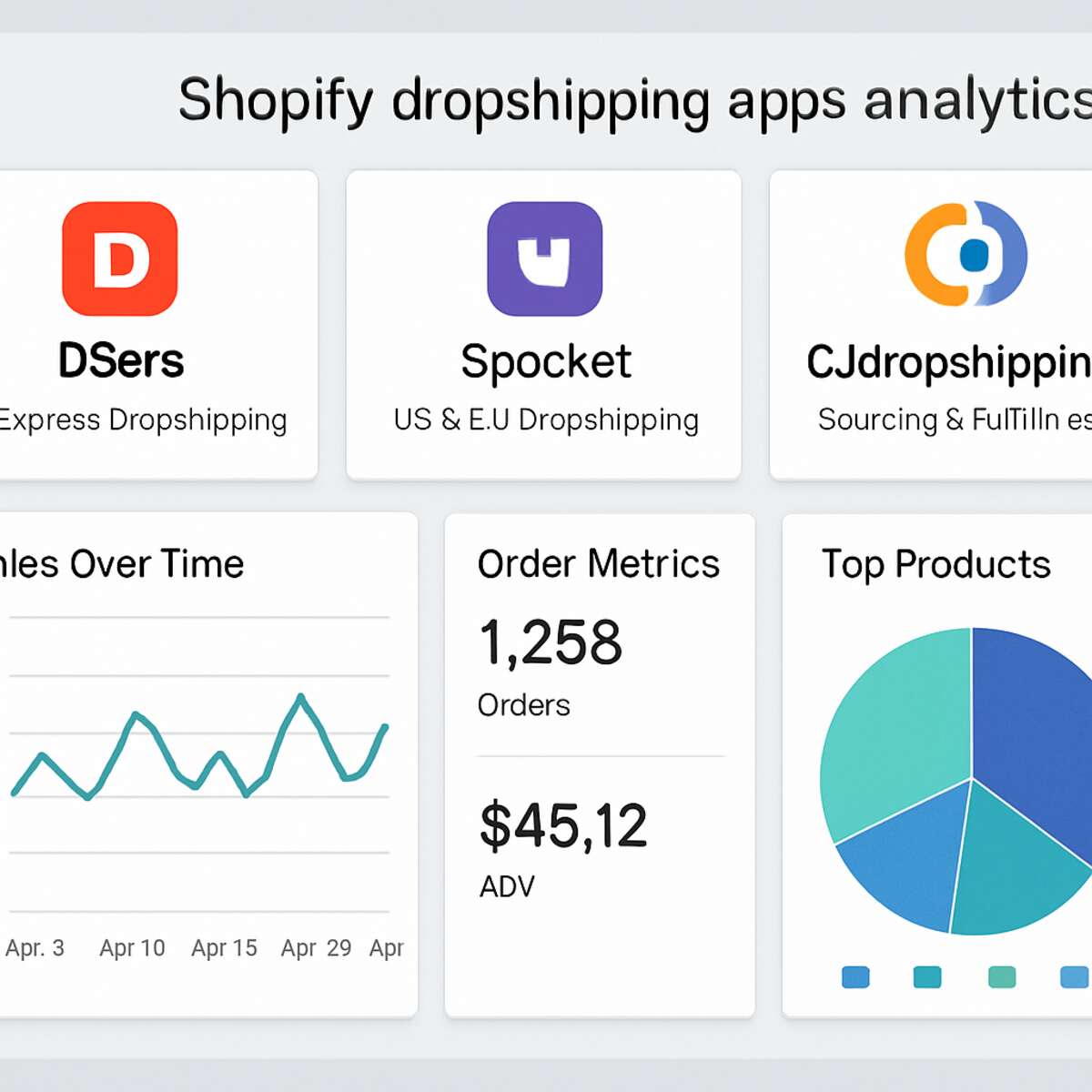
Building a successful e-commerce business is no longer just about having a great eye for products; it is about building a well-oiled machine that operates efficiently behind the scenes. Whether you are launching your very first storefront or scaling a seasoned brand to seven figures, the tools you integrate into your platform dictate your ultimate success. Select the best dropship app for shopify.
Choosing the right shopify dropshipping apps is arguably the most critical operational decision you will make. With thousands of options populating the App Store, the paradox of choice can leave even experienced entrepreneurs feeling paralyzed. Pick the right tools, and you have a scalable, automated business that runs while you sleep. Pick the wrong ones, and you will drown in delayed shipments, angry customer emails, and inventory nightmares.
This comprehensive guide will walk you through exactly how to evaluate, select, and integrate the best shopify apps and shopify plugins to build a resilient, profitable dropshipping business.
Why Your App Stack Matters
In the dropshipping model, you are fundamentally a marketer and a customer service representative. The actual fulfillment, warehousing, and shipping are handled by third parties. Your shopify dropshipping apps are the digital bridges connecting your storefront to these third-party suppliers.
A poorly optimized app stack leads to broken bridges. When an order comes in and your software fails to communicate with your supplier, the order sits unfulfilled. When a supplier runs out of a specific color variant and your store does not reflect that change, you sell out-of-stock items.
The goal of your software ecosystem should be total operational harmony. By carefully selecting your tools, you can ensure that product sourcing, inventory management, fulfillment, and customer service operate in a seamless loop.
1. Defining Your Sourcing Strategy
Before you can choose an app, you need to know where your products are coming from. The sourcing app you choose will serve as the foundation of your store’s operations.
Finding the Right Suppliers
One of the most frequent questions new sellers ask is how to find the best dropshipping suppliers for fast shipping. The reality is that “fast shipping” is relative. A domestic supplier might deliver in three days, while an overseas supplier with a well-managed logistics chain might take seven to ten days.
When evaluating sourcing apps, look for platforms that offer transparency regarding supplier location, processing times, and historical delivery metrics. You want apps that allow you to filter suppliers by warehouse location so you can ensure products are situated close to your target audience.
DSers vs Spocket for AliExpress Sourcing
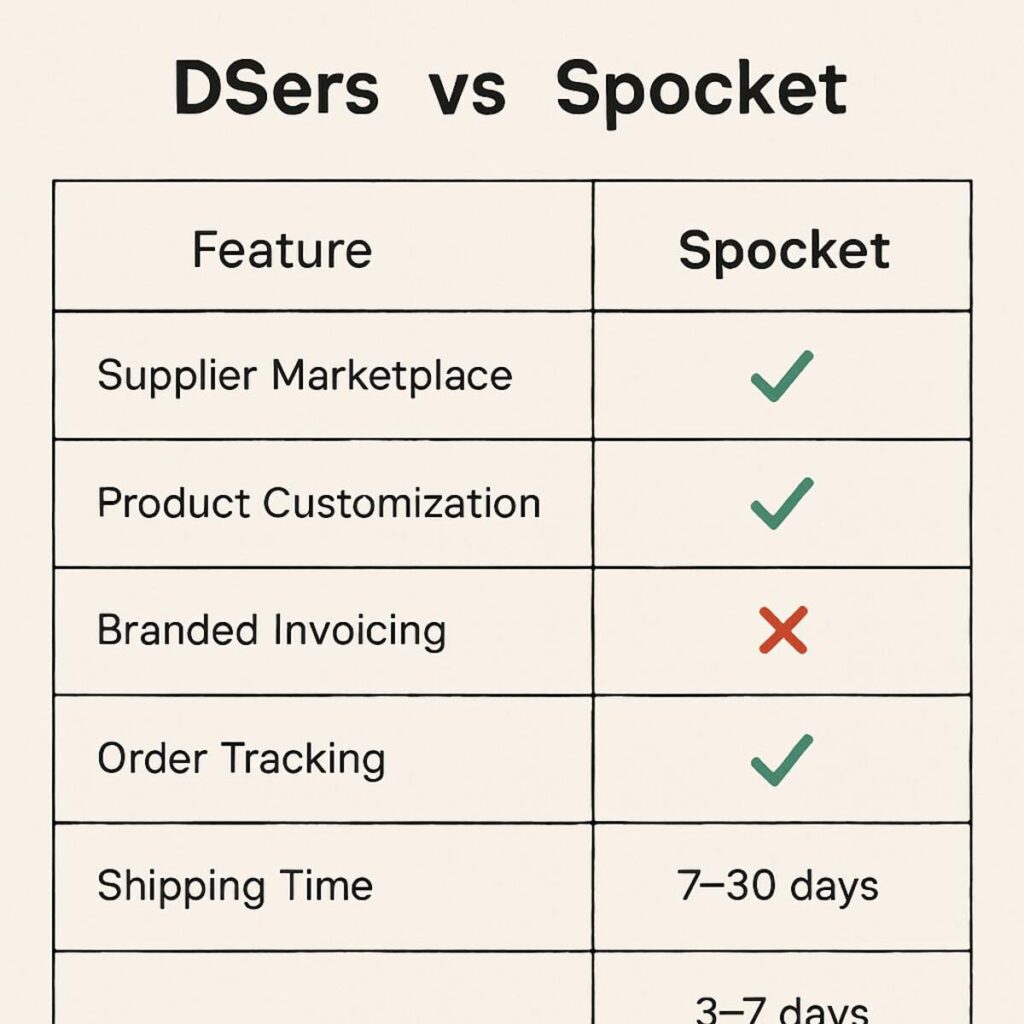
If you are starting out, you are likely looking at AliExpress as your primary sourcing hub. In the debate of DSers vs Spocket for AliExpress sourcing, the right choice depends heavily on your business model.
- DSers: As the official AliExpress dropshipping partner, DSers is built for volume. It excels at bulk order processing and allows you to map multiple suppliers to a single product to ensure you always get the best price. It is highly technical but incredibly efficient for stores doing hundreds of orders a day.
- Spocket: While Spocket does allow for AliExpress importing via its extension, its true strength lies in its curated marketplace of US and EU suppliers. If you are willing to sacrifice a bit of profit margin for significantly faster shipping times and higher-quality goods, Spocket is often the superior choice.
Expanding Beyond the Basics
As you scale, you may find that standard AliExpress suppliers no longer meet your quality control standards. This is where you need to look into the best alternatives to CJ Dropshipping. While CJ Dropshipping is a massive player offering sourcing, warehousing, and fulfillment, apps like Zendrop, AutoDS, and Eprolo offer competitive alternatives.
Zendrop, for instance, offers automated fulfillment, custom branding, and a streamlined interface that eliminates the clunkiness often associated with older overseas platforms. AutoDS shines in its ability to automate pricing optimization and monitor competitor stock levels.
For those looking to build massive general stores or B2B operations, integrating apps that connect you to global wholesale supplier directories (like SaleHoo or Modalyst) can open up relationships with vetted, high-tier manufacturers that don’t typically advertise to dropshippers.
2. Automating the Heavy Lifting
The ultimate dream of dropshipping is passive income. However, that income is only passive if you understand how to automate shopify order fulfillment.
The Automation Spectrum
When choosing an app for fulfillment, consider where it falls on the automation spectrum:
- Manual: You click “order” for every single purchase.
- Semi-Automated: You select bulk orders and click one button to pay for and process them all simultaneously.
- Fully Automated: The app requires zero input from you. As soon as a customer checks out on your store, the app routes the order to the supplier, pays the invoice using a pre-loaded balance, and updates the tracking number on Shopify.
Your fulfillment app should ideally offer fully automated options, especially if you plan on scaling quickly. Look for apps that offer auto-fulfillment rules—for example, automatically routing an order to a backup supplier if the primary supplier is out of stock.
Navigating High-Value Orders
Automation isn’t just for low-ticket impulse buys. Automating high ticket dropshipping stores requires a slightly different approach. When you are selling items that cost $500, $1000, or more, the stakes are much higher.
Apps handling high-ticket items need robust API integrations with domestic suppliers. In high-ticket dropshipping, you are often dealing with real brands rather than unbranded goods. Therefore, your apps must support secure EDI (Electronic Data Interchange) or advanced API connections to ensure that heavy freight shipping calculations and high-value order routing are flawless.
3. Inventory and Stock Management
Selling a product you don’t actually have is one of the fastest ways to get your payment gateway banned and ruin your brand’s reputation.
The Necessity of Real-Time Syncing
To prevent disastrous overselling, you must invest in reliable real-time inventory syncing software. When your supplier’s stock drops from 10 units to zero, that change needs to reflect on your Shopify storefront instantly, not 24 hours later.
When evaluating an app’s inventory syncing capabilities, check the sync frequency. Does it update hourly? Daily? Every five minutes? The faster the sync, the safer your business.
Managing Complex Channels
If you are selling on Shopify, Instagram, TikTok, and Amazon simultaneously, the complexity multiplies. Avoiding stockouts with multi-channel inventory management becomes your top priority. Apps like Sellbrite, Skubana (now Extensiv), or even specialized dropshipping tools with multi-channel capabilities will aggregate your sales data across all platforms. If a customer buys your last unit on TikTok Shop, the app will instantly tell Shopify and Amazon to mark the item as “Out of Stock.”
4. A Step-by-Step Product Sourcing Guide
Choosing the app is only half the battle; knowing how to use it effectively is the other half. Here is a practical, step by step product sourcing guide using your newly selected Shopify apps.
Step 1: Market Research and Niche Selection
Before touching any app, use tools like Google Trends, TikTok Creative Center, or Facebook Ad Library to identify products with high demand and low saturation.
Step 2: Utilizing Sourcing Tools
If you are on a tight budget, look for the best free sourcing tools for beginners. Apps like the free tiers of DSers, AliOrders, or CJDropshipping allow you to browse millions of products without upfront subscription costs. Use their built-in analytics to check supplier ratings, historical order volumes, and average shipping times.
Step 3: Importing to Your Store
Once you find a winner, the next phase is importing products from AliExpress to Shopify (or from your chosen supplier directory). Use your app’s Chrome extension or one-click import button.
Pro Tip: Never push a product straight to your live store without editing it. The default titles and descriptions from suppliers are often terrible for SEO and conversion rates. Import the product to your app’s “Draft” or “Import List” section first.
Step 4: Optimizing Product Listings
Rewrite the title to be catchy and SEO-friendly. Strip out the supplier’s chaotic formatting and write a compelling, benefit-driven product description. Ensure the images are high-quality and free of the supplier’s watermarks.
Step 5: Bulk Importing for General Stores
If you are testing a wide variety of products or building a large catalog, doing this one by one is tedious. Look for apps that excel at setting up bulk product imports. These tools allow you to map categories, apply pricing rules (e.g., automatically multiply the supplier price by 3), and push hundreds of products to your Shopify store in minutes while maintaining clean data architecture.
5. Customization and Print on Demand
Not all dropshipping involves sourcing pre-made goods from overseas. A massive segment of the industry revolves around custom products.
Print on demand integration for shopify allows you to sell custom t-shirts, mugs, canvases, and even shoes without holding any inventory. Apps like Printful, Printify, and Gelato seamlessly connect with Shopify.
When choosing a POD app, evaluate:
- Product Catalog: Do they offer the specific items you want to sell?
- Print Quality: Order samples. An app might have a great interface, but if the ink washes off the t-shirt after one laundry cycle, your business will fail.
- Routing Capabilities: The best POD apps automatically route your customer’s order to the print facility physically closest to them, drastically cutting down on shipping times and carbon footprints.
6. Mastering Logistics and Shipping
Shipping is the Achilles heel of the dropshipping business model. Consumers have been conditioned by Amazon Prime to expect two-day deliveries, making traditional three-week dropshipping times a tough pill to swallow.
Shrinking the World
Your app stack must play a role in reducing shipping times for international customers. How do you achieve this?
- Smart Supplier Routing: Use apps that automatically detect the customer’s country and route the order to a supplier warehouse within that same region.
- Premium Shipping Lines: Choose sourcing apps that offer proprietary shipping lines (like YunExpress or CJ Packet) rather than relying on standard ePacket or China Post, which are notoriously slow and unreliable.
- Tiered Shipping Options: Use Shopify plugins that allow you to offer tiered shipping at checkout. Let the customer choose between “Standard (10-15 Days)” for free, or “VIP Insured (5-7 Days)” for a fee. Your fulfillment app must be able to recognize these selections and map them to the corresponding shipping method with the supplier.
7. The Inevitable: Returns and Refunds
No matter how great your products are, customers will want to return them. Whether the item was damaged in transit, the wrong size was ordered, or the customer simply changed their mind, handling this smoothly dictates your customer lifetime value.
Managing customer returns in dropshipping business requires a strategic approach, as you generally do not want customers shipping single items back to a warehouse in China.
Apps for Reverse Logistics
Integrate return management apps like AfterShip Returns Center, Loop Returns, or Returnly. These apps provide your customers with a beautiful, branded portal where they can request a return without emailing you.
Strategies for Dropshipping Returns
When configuring your return apps, set up specific rules tailored to dropshipping:
- The “Keep It” Strategy: For low-ticket items, it is often cheaper to simply refund the customer or send a replacement rather than paying for return shipping. Configure your app to automatically offer a replacement without requiring a return for items under a certain dollar threshold.
- Local Return Hubs: Use services that provide a local return address in your primary markets (e.g., a US PO Box or a 3PL). Your returns app can generate shipping labels directing the products to this local hub. Once you accumulate enough returned stock, you can either liquidate it, donate it, or use it to fulfill future local orders quickly.
- Supplier Agreements: Ensure your sourcing app facilitates easy communication with suppliers for damaged goods. The best apps have a built-in dispute resolution center where you can upload a photo of a damaged item provided by your customer, and the supplier automatically processes a refund to your account.
8. App Stack Hygiene: Keeping Your Store Fast and Lean
It is easy to get “Shiny App Syndrome” and install twenty different shopify plugins that promise to boost sales, create urgency, and manage operations.
The Cost of App Bloat
Every app you install adds code to your store’s theme. Over time, this code accumulates, drastically slowing down your website’s loading speed. A slow website destroys conversion rates and ruins your SEO rankings.
The Evaluation Checklist
Before installing a new dropshipping app, run it through this checklist:
- Is it essential? Does this app perform a function that is absolutely critical to the daily operation of my business?
- Does it overlap? Do I already have an app that does this? (e.g., don’t install a standalone inventory syncing app if your primary sourcing app already has that feature built-in).
- What is the impact on site speed? Check the app’s reviews specifically for complaints about site speed.
- How good is the customer support? E-commerce runs 24/7. If your fulfillment app breaks during a Black Friday sale, you need an app developer that offers live chat support, not just an email ticket system that takes 48 hours to get a reply.
Summary: Building Your Ultimate App Stack
Choosing the right shopify dropshipping apps is an ongoing process of optimization. As your store grows from a beginner side-hustle into a mature brand, your technological needs will evolve.
Start by identifying the best dropshipping suppliers for fast shipping and utilizing tools like DSers or Zendrop to streamline your initial operations. Master the basics of importing products from AliExpress to Shopify and ensure you have reliable real-time inventory syncing software running in the background.
As revenue increases, reinvest your profits into higher-tier tools. Explore automating high ticket dropshipping stores, tap into global wholesale supplier directories, and refine your post-purchase experience by efficiently managing customer returns in dropshipping business.
Remember, software should work for you, not the other way around. By taking the time to carefully vet, integrate, and master your Shopify apps, you build an automated infrastructure that frees you to focus on what truly matters: marketing your brand, scaling your business, and achieving e-commerce success.
