


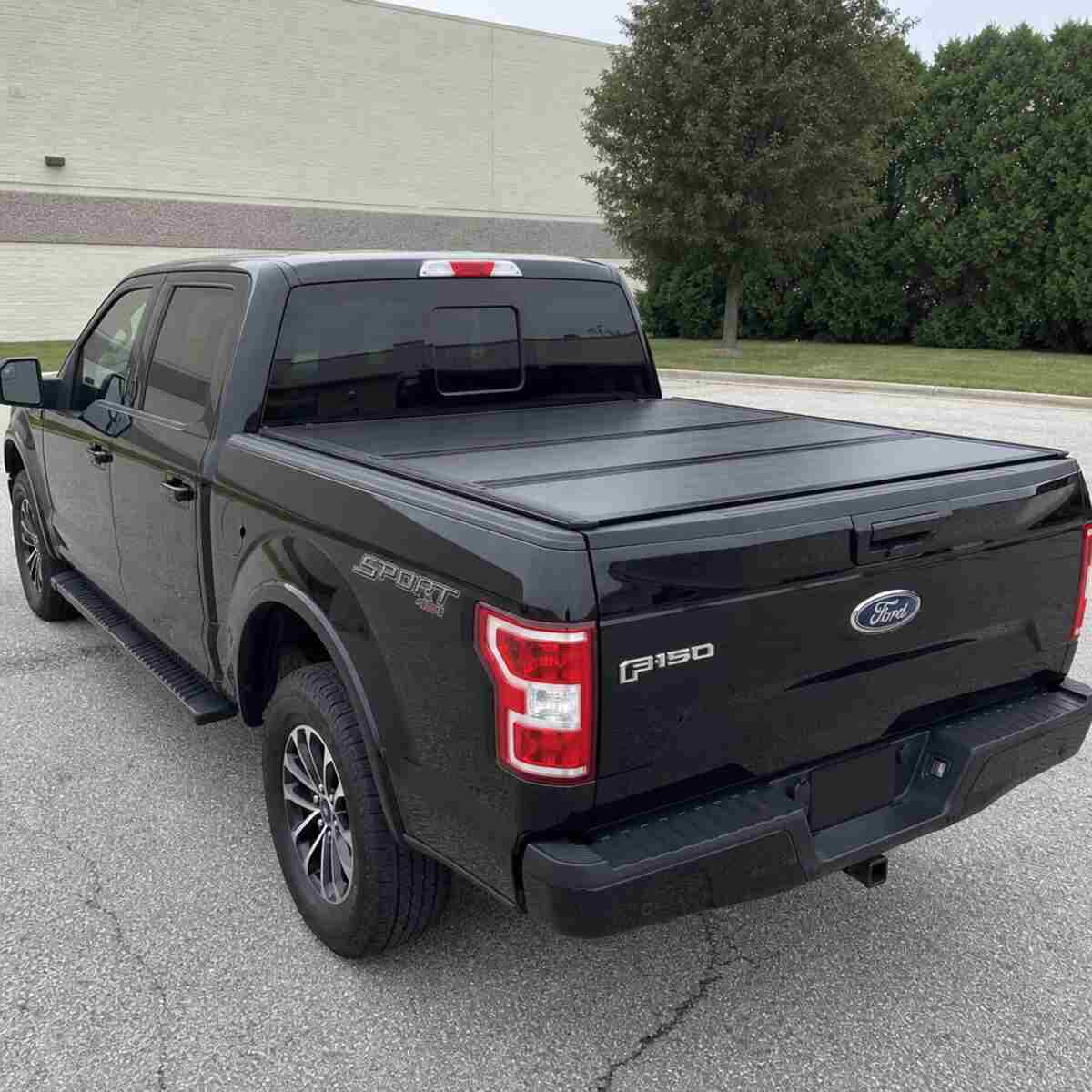
Investing in a truck bed cover is one of the smartest decisions you can make for your pickup. Not only does it secure your valuable cargo from thieves and harsh weather, but it also improves your truck’s aerodynamics, potentially saving you money at the gas pump. However, like all premium truck accessories, your cover requires consistent care to continue performing at its best. Sort out the best tonneau cover.
If you want to protect your investment and keep your truck looking sharp, understanding the best maintenance tips for tri-fold tonneau covers is absolutely essential. Whether you are navigating the harsh, freezing temperatures of winter or the blistering, UV-heavy rays of summer, your bed cover takes a beating.
This comprehensive guide will walk you through everything you need to know to keep your cover in showroom condition. From routine cleaning and deep restoration to complex mechanical troubleshooting, we will cover every detail. Grab your microfiber towels and let’s dive into the ultimate masterclass on maintaining your tri-fold tonneau cover.
1. Understanding Your Tri-Fold Tonneau Cover
Before diving into maintenance routines, it is vital to understand the anatomy of your cover. A tri-fold tonneau cover is typically divided into three equal sections connected by heavy-duty hinges. It rests on a rail system or directly on the bed caps, secured with a series of clamps and sealed with weatherstripping.
Because these covers feature moving parts, flexible joints, locking mechanisms, and weather seals, they require a multi-faceted approach to maintenance. You cannot simply wash the top and ignore the hinges, just as you cannot lubricate the hinges and ignore a degrading rubber seal. Holistic care ensures longevity.
Vinyl vs Hard Panel Care Differences
One of the most critical factors in your maintenance routine is the material of your cover. The vinyl vs hard panel care differences dictate the chemicals you should use, the tools you apply them with, and the frequency of your maintenance.
- Soft Tri-Fold Covers (Vinyl): These covers feature a heavy-duty, marine-grade vinyl stretched over an aluminum frame. Vinyl is porous and flexible. It contains plasticizers that keep it supple. If neglected, UV rays and heat will bake these plasticizers out of the material, leading to cracking, shrinking, and fading. Vinyl requires frequent UV protection and gentle, non-abrasive cleaning.
- Hard Tri-Fold Covers (Aluminum, Fiberglass, or Composite): These panels offer superior security and durability. However, they are susceptible to surface scratches, oxidation, and denting. Hard panels require protective waxes or sealants and specific cleaners to prevent the paint or powder coating from degrading.
2. Routine Cleaning: The Foundation of Cover Care
A routine wash prevents the buildup of road grime, bird droppings, acid rain, and tree sap, all of which can erode your cover’s finish over time.
Washing Soft Vinyl Covers
When cleaning vinyl, the goal is to remove dirt without stripping away the material’s essential oils.
- Rinse Thoroughly: Always start by hosing down the cover to remove loose dirt and abrasive particles.
- Choose the Right Soap: Never use dish soap, as it acts as a degreaser and will dry out the vinyl. Instead, use a pH-neutral automotive car wash shampoo.
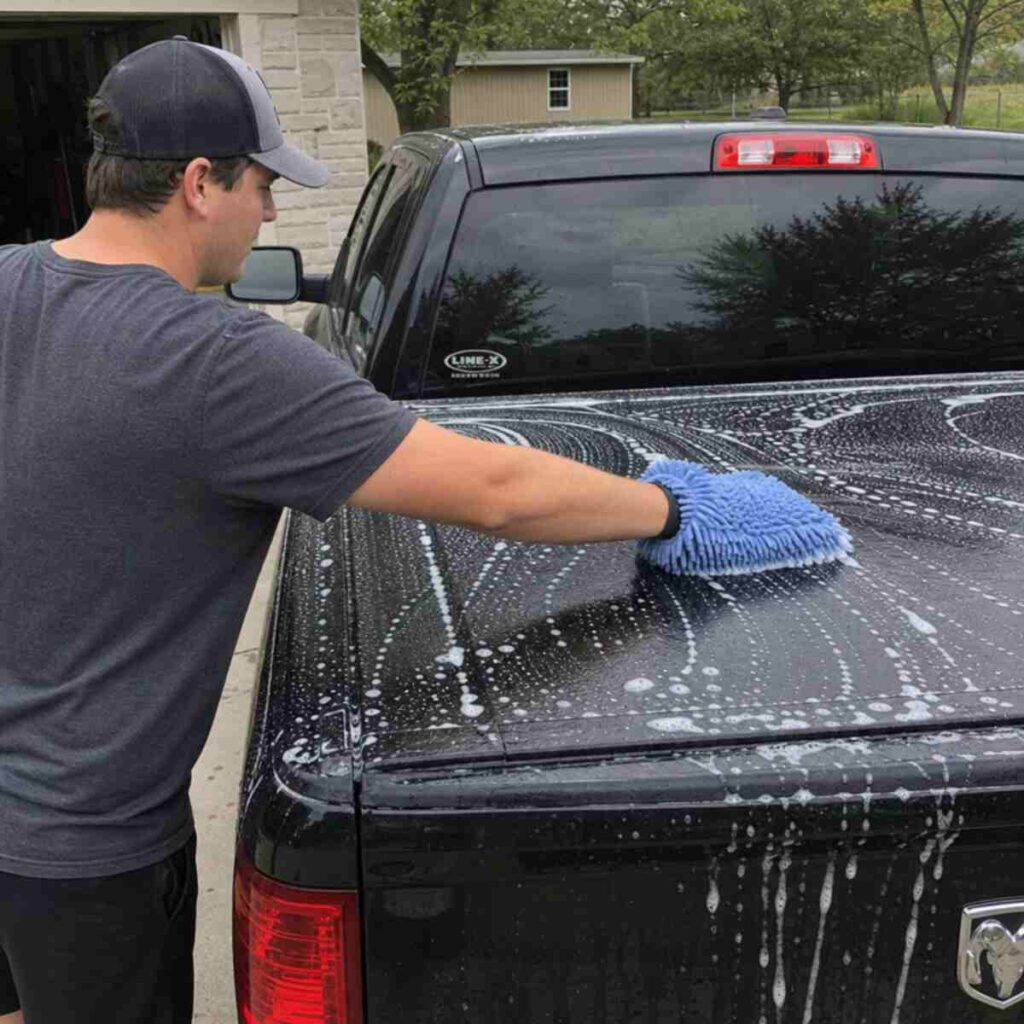
- Use a Soft Brush: Use a soft-bristle brush (like a horsehair brush) or a premium microfiber wash mitt to gently agitate the dirt. Scrub in circular motions, paying special attention to the vinyl’s textured grain, where dirt loves to hide.
- Rinse and Dry: Rinse thoroughly to ensure no soap residue remains. Dry the cover immediately with a clean, plush microfiber drying towel to prevent hard water spots.
How to Clean Hard Tri-Fold Panels
Hard panels, especially those made of powder-coated aluminum, require a slightly different approach to maintain their structural integrity and aesthetic appeal.
- Pre-Soak: Spray the panels with water to loosen debris. If you have baked-on bug splatter or tree sap, let a dedicated, paint-safe bug and tar remover dwell on the surface for a few minutes.
- The Two-Bucket Method: Use one bucket for your soapy water and one for clean rinse water. This prevents you from rubbing abrasive dirt back into the hard panels, which can cause micro-scratches or swirl marks.
- Selecting the Best Cleaner for Aluminum Tonneau Panels: The best cleaner for aluminum tonneau panels is a dedicated, non-acidic aluminum cleaner or a high-quality automotive wash and wax. Avoid highly alkaline wheel cleaners, as they can permanently stain powder-coated aluminum.
- Detailing the Crevices: Hard covers have tracks and hinges where dust tends to accumulate. Use a soft detailing brush to agitate soapy water into these tight spaces before rinsing.
3. Deep Cleaning and Material Restoration
Even with regular washes, your tonneau cover will eventually develop stubborn issues that require deeper care. Whether it is biological growth from parking under trees or sun damage from long highway drives, you need to know how to reverse the damage.
Removing Mold from Truck Bed Covers
If you live in a humid climate or frequently park your truck under trees, you might notice green or black spots forming on your cover, particularly on the textured vinyl surface. Removing mold from truck bed covers requires a targeted approach to kill the spores without damaging the material.
- The Vinegar Solution: Mix one part white distilled vinegar with three parts water in a spray bottle. Vinegar is mildly acidic and effectively kills mold spores at their root without harsh bleaching agents.
- Application: Spray the affected area generously and let it sit for 5 to 10 minutes. Do not let it dry in direct sunlight.
- Agitation: Scrub the area with a soft-bristle brush. For stubborn mold deep in the vinyl grain, a toothbrush can work wonders.
- Rinse and Wash: Rinse the area thoroughly with a hose, then wash the entire cover with your standard pH-neutral car soap to remove the vinegar smell and any lingering debris.
- Avoid Bleach: Never use bleach or ammonia on your tonneau cover. These harsh chemicals will permanently discolor vinyl and weaken the stitching.
Restoring Faded Vinyl Truck Covers
Over time, the relentless sun can turn a deep black vinyl cover into a chalky, dull gray. Restoring faded vinyl truck covers is a rewarding process that breathes new life into your truck’s appearance.
- Deep Clean: You cannot restore a dirty cover. Follow the cleaning steps outlined above, ensuring the cover is 100% dry before proceeding.
- Apply a Vinyl Restorer: Choose a high-quality, water-based vinyl restorer. Avoid petroleum-based products or cheap silicone dressings; while they offer a quick shine, they accelerate UV damage and act as magnets for dust.
- Work in Sections: Apply the restorer to an applicator pad and massage it into the vinyl in overlapping circular motions. Work in small, 2×2 foot sections to ensure even coverage.
- Buff Excess: After letting the product penetrate for a few minutes, take a clean microfiber towel and lightly buff away any excess product. This leaves a deep, satin matte finish rather than a greasy, artificial shine.
Preventing Tonneau Cover Oxidation
For hard tri-fold covers made of aluminum or fiberglass, the primary enemy is oxidation—a chemical reaction between the metal/paint and oxygen, accelerated by water and salt. Preventing oxidation of a tonneau cover is far easier than trying to reverse it.
- Regular Waxing: Just like your truck’s paint, your painted or clear-coated hard cover benefits greatly from a high-quality synthetic sealant or carnauba wax. Apply a coat every three to four months.
- Ceramic Coatings: For the ultimate protection, consider applying a DIY ceramic coating to your hard panels. Ceramic coatings provide a semi-permanent, hydrophobic barrier that blocks UV rays, repels water, and completely halts oxidation.
- Addressing Scratches Quickly: If your powder-coated aluminum cover gets scratched down to the bare metal, touch it up immediately with a matching exterior paint pen to prevent corrosion from taking hold.
4. Defending Against the Elements
Your truck bed cover sits perfectly horizontal, meaning it takes the absolute brunt of the elements. It catches direct sunlight all day long, bears the weight of winter snow, and faces torrential downpours. Defending it requires proactive treatments.
UV Protectant for Vinyl Tonneau Covers
Just as you wear sunscreen at the beach, your vinyl cover needs chemical UV blockers to withstand the summer heat. Applying a dedicated UV protectant for vinyl tonneau covers should be a non-negotiable part of your monthly maintenance routine.
- Frequency: Apply a UV protectant every 4 to 6 weeks. If you live in high-sun states like Texas, Arizona, or Florida, consider applying it every 3 weeks.
- Application: Spray the protectant onto a microfiber applicator pad (spraying directly onto the cover can cause overspray on your truck’s glass and paint). Wipe it evenly across the cover.
- Benefits: A premium protectant replenishes lost plasticizers, prevents cracking, repels water, and provides a deep, rich color enhancement.
Winterizing Tri-Fold Tonneau Covers
Winter brings a whole new set of challenges: freezing temperatures, ice accumulation, and road salts. Winterizing tri-fold tonneau covers ensures that the cold doesn’t crack your vinyl or freeze your mechanical components solid.
- Snow Removal: Never use a hard plastic shovel or an ice scraper on your tonneau cover. You will scratch hard panels and slice right through vinyl. Instead, use a soft foam snow broom to gently push snow off the cover.
- Dealing with Ice: If your tri-fold cover is frozen shut, do not force it open. Forcing a frozen cover can tear the rubber weather stripping or snap the plastic hinge components. Spray a de-icer fluid along the seals, or park the truck in a heated garage until it thaws.
- Salt Removal: Road salt kicks up into the bed area and settles on the cover. Salt is highly corrosive. Make sure to visit a self-serve wash bay frequently during the winter to rinse salt off the cover and the underside of the bed rails.
5. Mechanical Maintenance and Hardware Checks
A tri-fold tonneau cover is a mechanical device. It relies on hinges to fold, clamps to stay secure, and tension systems to keep the fabric taut. Neglecting these mechanical parts can result in a cover that rattles, leaks, or even flies off on the highway.
Lubricating Tri-Fold Tonneau Cover Hinges
The hinges on your tri-fold cover allow you to quickly access your truck bed. Over time, dust, grit, and water can cause these hinges to bind, squeak, or corrode.
- Clean the Hinges First: Open the cover to expose the hinges. Use a small brush (like an old toothbrush) and an all-purpose cleaner to scrub away dirt and old, gummy grease from the hinge joints. Wipe dry with a rag.
- Choose the Right Lubricant: Do not use standard WD-40. Standard WD-40 is a solvent, not a long-term lubricant, and it will attract dust and dirt, creating a messy paste. Instead, use a dry PTFE (Teflon) spray or a silicone-based lubricant. Dry lubricants are ideal because they go on wet, penetrate the hinge pin, and dry to a non-tacky film that repels dust.
- Application: Lubricating tri-fold tonneau cover hinges is a precise job. Apply a small, targeted spray to each hinge pin. Work the cover back and forth a few times to work the lubricant deep into the joint. Wipe away any excess spray immediately, as some lubricants can stain vinyl or rubber.
Clamping System Safety Inspection
Your tri-fold cover is secured to your truck with a series of clamps (usually 4 to 6). These clamps endure constant vibration from driving, chassis flex from off-roading, and wind resistance. A loose clamp is a major safety hazard.
- Monthly Checks: Perform a clamping system safety inspection at least once a month.
- The Inspection Process: Open your tailgate and get under the cover. Check the front clamps (nearest the cab) to ensure the bolts are tight and the clamp teeth are fully biting into the truck’s bed rail or the cover’s mounting rail.
- Rear Clamps: Check the rear quick-release clamps. Ensure the locking mechanisms engage smoothly and securely. If they feel loose, adjust the threaded tension rod until they clamp down with firm resistance.
- Look for Wear: Inspect the plastic or rubber grip pads on the clamps. If these are worn out, metal-to-metal contact can occur, which will scrape the paint off your truck bed and cause rust. Replace worn clamp pads immediately.
Adjusting Tonneau Cover Tension and Alignment
For soft tri-fold covers, a tight, drum-like fit is essential. A loose vinyl cover will flap violently in the wind at highway speeds. This flapping not only hurts fuel economy but also stresses the vinyl, eventually causing it to tear or stretch permanently.
- Checking Tension: When your cover is closed and locked, press down lightly in the center of the panels. There should be very little give. It should feel taut.
- Adjusting Tonneau Cover Tension and Alignment: Many high-quality soft tri-fold covers feature tension-control dials near the rear clamps or the hinges. If your cover is loose, consult your owner’s manual to locate the tension adjusters. Usually, sliding the adjuster a notch or two toward the cab will tighten the fabric.
- Seasonal Adjustments: Keep in mind that vinyl shrinks in the cold and expands in the heat. You may need to loosen the tension slightly in winter to close the cover, and tighten it in summer to prevent flapping.
- Alignment Checks: Stand at the rear of the truck and look down the sides of the bed. Does the cover sit perfectly straight? An out-of-alignment cover leaves gaps for water to enter. If it is crooked, loosen all the clamps, realign the cover so it sits evenly on both bed rails, and tighten the front cab clamps first, followed by the rear.
6. Weatherproofing and Leak Prevention
One of the primary reasons you bought a tonneau cover was to keep your cargo dry. While no tonneau cover is 100% waterproof (truck beds have built-in gaps at the tailgate and stake pockets), a well-maintained cover should keep out 95% of rain and snow. When water starts pooling in your bed, it’s time to inspect your weatherproofing.
Maintaining EPDM Rubber Weather Stripping
The perimeter of your tri-fold cover relies on thick rubber seals to bridge the gap between the cover frame and your truck bed rails. Most premium covers use EPDM (Ethylene Propylene Diene Monomer) rubber, a highly durable synthetic rubber designed to withstand extreme temperatures and UV exposure.
However, EPDM is not invincible. Without care, it will dry out, flatten, and crack.
- Cleaning the Seals: Wipe down the rubber seals with a damp microfiber cloth every time you wash the truck. Dirt trapped under the seal breaks the waterproof barrier and acts like sandpaper against your truck’s paint.
- Conditioning the Rubber: Maintaining EPDM rubber weather stripping requires a specialized rubber conditioner or a water-based dressing. Apply the conditioner to a rag and massage it into the rubber seals. This keeps the rubber plump, flexible, and capable of creating a watertight seal.
- Avoid Petroleum: Do not use petroleum jelly (Vaseline) or heavy grease on rubber seals. Petroleum degrades synthetic rubber, causing it to swell, become sticky, and ultimately fall apart.
Fixing Leaking Truck Bed Cover Seals
If you notice puddles in your truck bed after a rainstorm, you need to diagnose and fix the leak promptly to protect your gear.
- The Flashlight Test: The easiest way to find a leak is the flashlight test. Wait for a dark evening. Climb into the truck bed with a bright flashlight and have a friend close and lock the tailgate and the cover. Shine the flashlight along the entire perimeter of the cover. Wherever your friend sees light escaping outside, water can get in.
- Addressing Corner Leaks: The most common leak points on tri-fold covers are the front corners near the cab. Because truck bed bulkheads are often slightly lower than the side rails, a gap is created. Fixing leaking truck bed cover seals in this area usually involves installing a supplementary bulkhead weather stripping seal (a thick strip of adhesive-backed foam rubber) to fill the gap.
- Replacing Damaged Seals: If the EPDM rubber seal on the cover itself is torn or permanently compressed, conditioning it won’t help. You will need to contact the cover manufacturer to order replacement weatherstripping. Carefully peel off the old seal, use an adhesive remover (like rubbing alcohol) to clean the track, and apply the new seal.
Clearing Tonneau Cover Drainage Tubes
If you have a hard tri-fold cover that sits flush inside the bed rails (rather than resting on top of them), your system likely utilizes a perimeter gutter system to catch water. This water is channeled toward the front of the bed and expelled through rubber drainage tubes.
- The Problem: Over time, leaves, pine needles, dirt, and debris wash into the track rails and clog these drainage tubes. When the tubes back up, water overflows the track and spills directly into your truck bed.
- The Solution: Clear the tonneau cover drainage tubes every fall and spring. Disconnect the tubes from the bed rail fittings. Use an air compressor with a blower nozzle to shoot compressed air through the tubes to clear the blockage. Alternatively, you can run a stiff piece of wire (like a straightened coat hanger) or a long pipe cleaner through the tube to dislodge debris. Flush the tracks with a cup of water to ensure they are draining freely before reattaching the tubes.
7. The Car Wash Dilemma: Best Practices
A very common question among truck owners is: Can tri-fold covers go through car washes?
The short answer is: It depends on the cover and the car wash.
The long answer requires a bit of nuance to protect your investment.
Automatic Friction Car Washes (The Ones with Brushes)
Avoid if possible. The heavy, spinning bristle brushes or heavy felt strips used in traditional drive-through car washes are incredibly aggressive.
- For Soft Vinyl Covers: Brushes can easily snag the edges of the vinyl, stretch the fabric, or cause micro-tears.
- For hard covers, the brushes harbour dirt from the hundreds of vehicles that went before yours. They will inflict heavy swirl marks and scratches into the clear coat or powder coating of your aluminum or fiberglass cover.
Touchless Car Washes (Water Jets Only)
Generally Safe, but with caveats. Touchless washes use high-pressure water and strong chemicals to clean the truck.
- The Pressure Risk: High-pressure nozzles can force water beneath the rubber weather seals, leaving the truck bed wet even if your cover normally doesn’t leak in the rain.
- The Chemical Risk: The soaps used in touchless washes are highly alkaline to compensate for the lack of physical scrubbing. These harsh chemicals can strip the UV protectants from your vinyl and the wax from your hard panels.
The Wax Options at Car Washes
If you do use a drive-through car wash, always decline the “spray wax” or “clear coat protectant” options if you have a soft vinyl cover. These liquid waxes are designed for automotive paint. When sprayed onto textured vinyl, they dry and leave behind an unsightly, chalky white residue embedded deep in the grain of the vinyl that is extremely difficult to remove.
The Best Way to Wash
The absolute best and safest method is hand washing your truck and cover in your driveway. If you live in an apartment or don’t have access to a hose, use a self-serve coin-operated wash bay. Use the low-pressure settings to rinse, and bring your own bucket, soap, and wash mitt for the actual cleaning.
8. Common Mistakes That Destroy Tonneau Covers
Even with the best intentions, truck owners often make critical mistakes that drastically reduce the lifespan of their tri-fold covers. Avoid these pitfalls:
- Driving with the Cover Unsecured: If you fold the cover back to haul a tall load (such as a refrigerator or dirt bike), you must secure the folded panels with the integrated safety buckles and straps. If you leave the panels loose, highway wind will catch them and slam them backwards. This can easily shatter hard panels, bend aluminum frames, snap hinges, and smash your truck’s rear window.
- Overloading the Cover: Unless you own a heavy-duty hard cover specifically rated for top-loading (some can support up to 400 lbs evenly distributed), never sit, stand, or stack heavy materials on your tonneau cover. Vinyl covers will stretch and frames will bend.
- Using Armor All or Silicone Dressings: Cheap interior detailing sprays laden with silicone will make your vinyl cover look shiny for a day, but they act as magnifying glasses for UV rays, accelerating cracking and fading. Stick to premium, water-based, marine-grade UV protectants.
- Leaving Spills Untended: If you spill gas, oil, or harsh chemicals near the cover, or if a bird leaves a massive dropping, do not wait until your next scheduled wash. Bird droppings are highly acidic and will permanently etch aluminum and eat through vinyl plasticizers in a matter of days. Spot-clean immediately with a detail spray and a microfiber towel.
9. Your Seasonal Tonneau Cover Maintenance Checklist
To make all this information actionable, here is a simplified, seasonal breakdown of what your tri-fold cover needs throughout the year.
Spring Cleaning & Prep
- Deep Clean: Wash away winter road salts and grime using the two-bucket method.
- Inspect Seals: Check the EPDM rubber seals for any cracking caused by freezing winter temperatures. Condition them.
- Clear Drains: If you have a flush-mount cover, clear the drainage tubes of any early-spring pollen or debris.
- Lubricate: Spring is the best time to clean the hinges and apply dry PTFE spray to prepare for frequent summer use.
Summer Defense
- Max UV Protection: Apply a water-based UV protectant to vinyl covers or a synthetic wax to hard covers every 3 to 4 weeks to fight intense solar radiation.
- Check Tension: Heat expands vinyl. Check your cover’s tension and adjust the dials to keep it drum-tight and prevent it from flapping on summer road trips.
- Immediate Spot Cleaning: Remove baked-on bug splatter and tree sap quickly before the summer sun bakes them into the finish.
Fall Preparation
- Clean the Tracks: Fall means falling leaves. Regularly open the cover and sweep out the mounting tracks to prevent organic matter from decomposing and causing mold or clogging drainage tubes.
- Mold Inspection: With increased autumn rain and humidity, inspect the vinyl grain for early signs of mold. Treat with a vinegar solution if necessary.
- Hardware Check: Perform a thorough safety inspection of the clamping system before the harsh winter weather arrives.
Winter Survival
- Gentle Snow Removal: Use only soft foam brooms to remove snow. Avoid plastic scrapers.
- De-Icing: Keep a bottle of lock de-icer or rubbing alcohol handy to free frozen seals or hinges without prying them apart.
- Frequent Rinses: Visit touchless or self-serve car washes frequently just to rinse the highly corrosive road salt off the cover and the underside clamps.
10. Frequently Asked Questions (FAQs)
To ensure this guide is as comprehensive as possible, let’s address some of the most common questions truck owners have regarding their tri-fold covers.
Can I use a pressure washer on my tonneau cover?
Use extreme caution. A high-pressure washer held too close can easily slice through soft vinyl, strip the paint off hard panels, and force water past the rubber weather seals. If you must use a pressure washer, use a wide-angle tip (40 degrees), keep the wand at least two feet away from the surface, and avoid pointing it directly at the edges and seams.
How long should a tri-fold tonneau cover last?
With the rigorous maintenance routine outlined in this guide, a high-quality soft vinyl tri-fold cover can last 5 to 7 years, while a hard tri-fold cover (aluminum or fiberglass) can easily last 10 to 15 years, or often the lifetime of the truck itself.
My vinyl cover is flapping on the highway, but the tension is maxed out. What do I do?
If you have adjusted the tension to the maximum setting and the cover still flaps, the vinyl has likely permanently stretched due to age, heat exposure, or driving with it unlatched. Unfortunately, once vinyl stretches past its elastic limit, the only solution is usually replacing the vinyl tarp section (many manufacturers sell replacement tarps without requiring you to buy a whole new frame).
Is it safe to use a magic eraser to clean stubborn stains on my cover?
Absolutely not. Melamine foam (Magic Erasers) acts like ultra-fine sandpaper. Using it on a vinyl cover will literally sand away the material’s top protective layer. Using it on a painted or powder-coated hard cover will leave behind a dull, scratched patch. Stick to appropriate chemical cleaners and soft brushes.
Conclusion
Your truck is more than just a vehicle; it is a tool, an investment, and a source of pride. The truck accessories you choose to install—especially a large, highly visible component like a tri-fold tonneau cover—reflect how well you care for that investment.
By understanding the distinct vinyl vs hard panel care differences, committing to a regular washing routine with the right soaps, proactively defending against UV rays and winter ice, and regularly inspecting the mechanical hinges and clamping systems, you guarantee that your cover will perform flawlessly for years to come.
Do not wait for the vinyl to fade, the hinges to seize, or the bed to flood during a rainstorm. Implement these maintenance tips for tri-fold tonneau covers into your regular truck care routine today. A little proactive effort in the driveway translates into lasting durability, excellent cargo protection, and a sleek, head-turning truck on the road.
