


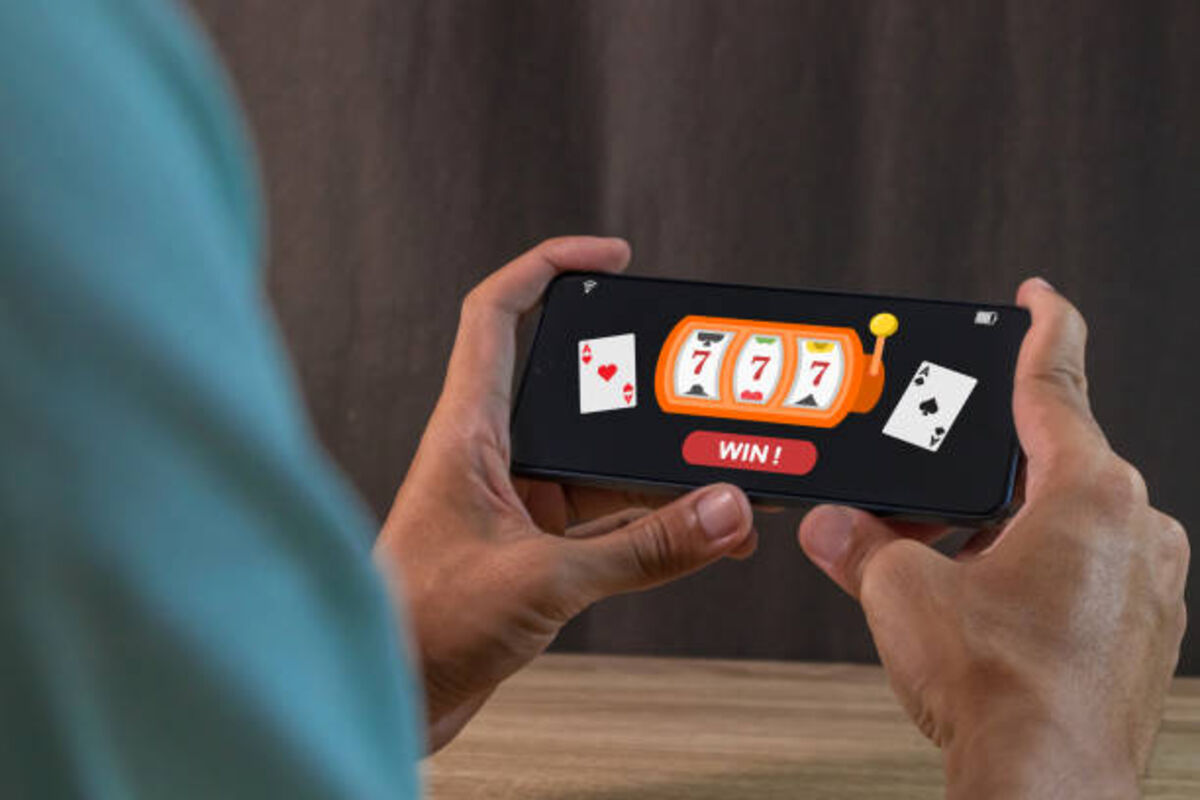
Casper is a ghost-themed casino slot from Everi, with a mechanical-reel version that combines familiar characters, symbol multipliers, and progressive prizes. This page explains that version, what to check before playing, and how to keep the cost clear. No tip can guarantee a win: useful preparation means understanding the rules and setting limits, not trying to predict the reels. What do you need to consider about Gandacuan.
Which Casper slot game does this page cover?
This page focuses on Everi’s mechanical Casper slot, documented in the manufacturer’s shared Casper & Smokin’ Hot Stuff product listing. Its published details provide a useful starting point, but the machine’s own paytable should guide any decision to play. Don’t assume another game with similar artwork uses the same rules.
| Published detail | Everi’s mechanical Casper |
|---|---|
| Manufacturer | Everi |
| Format | Mechanical slot |
| Reels | 3 |
| Lines | 9 |
| Cabinet | Skyline |
| Listed denominations | 25¢–$1 |
| Prize features | Symbol multipliers and progressives |
These details describe the manufacturer’s product, not a promise that a particular casino currently offers it. Before making a trip, ask the venue to confirm the exact title, cabinet, and available stakes. Treat a game-library listing as product information rather than a live inventory service.
If you are searching for a casper slot machine, save the full name and manufacturer rather than relying on a picture. Ask staff to identify the game before you insert money. That small check gives you a clear reference point when reading the rules or asking about an unfamiliar feature.
Use the same approach when researching online. A useful product description should make it easy to establish what is being offered before asking you to register or deposit. If you cannot confirm the identity, pause rather than filling the gaps with assumptions.
Features and practical considerations
The appeal of this version is its combination of a traditional mechanical format and Casper character artwork. Its multiplier and progressive features add prize conditions to examine alongside the basic line pays. Those features are reasons to read the paytable carefully, not evidence that the game is easier to beat.
To decide whether the product interests you, separate personal preference from financial expectations. You might like the theme while disliking the available stake. You might enjoy the reel presentation but decide the jackpot conditions don’t suit your spending limit. Either conclusion is useful; liking one part does not require accepting everything else.
Consider these practical points before committing money:
- Presentation: Look at the machine and decide whether you actually enjoy its display and controls.
- Rule clarity: Find the paytable and check whether you can explain a basic winning combination in your own words.
- Affordable stake: Read the total cash cost of the selected bet, not just the denomination.
- Feature conditions: Identify any wager requirements attached to prizes that interest you.
- Stopping point: Decide when you will leave before the first paid spin.
Make these checks in that order. There is little value in comparing prize features if the minimum comfortable option is already outside your budget. Likewise, an appealing theme is not a reason to continue when the rules remain unclear.
Gambling should be treated as paid entertainment, not a way to earn income or pay bills. If your main reason for choosing Casper is to get a financial result, the product does not fit that need. Choosing not to play is a valid outcome of reviewing it.
Read the paytable before choosing a bet
Start with the machine’s rules or help display. Your goal is not to memorize every possible award. It is to understand what your selected wager makes eligible, how the displayed amounts are expressed, and what happens when a qualifying combination appears.
Work through the information with this checklist:
- Locate the line diagram. Use it to understand where a qualifying combination must appear.
- Check the matching-symbol requirements. Read the required number and position rather than guessing from the artwork.
- Identify special symbols. Note the exact conditions attached to any substitution, multiplier, or prize symbol described.
- Read the award units. Establish whether an amount is shown in credits, currency, or another stated measure.
- Check wager conditions. Look for rules that connect a prize to a particular bet selection.
- Confirm the selected total. Match the rules you have just read to the wager currently displayed.
Answer these questions on the actual machine, not with a replacement paytable. If a condition is missing or confusing, ask an attendant before playing. Do not use a general guide to override the instructions attached to the product in front of you.
Try a simple reading exercise without placing a wager. Pick one ordinary award in the paytable and explain it aloud: the required symbols, their required positions, and the amount payable at the displayed setting. Then choose one special award and repeat the exercise. Any part you cannot explain is a useful place to stop and ask for help.
Keep rule understanding separate from prediction. Knowing how an award is evaluated helps you understand a result; it does not tell you which result will arrive next. Slot outcomes are random, and previous spins do not reliably forecast the next one.
A good pre-play decision is therefore specific: you understand the selected wager and accept its cost. “The machine looks ready” is not an equivalent reason to press spin.
Stakes and the total cost of play
For a player, the relevant price is the total amount paid for each spin, plus any separately disclosed charge that applies. Do not treat a denomination label as a complete session budget. Before starting, write down the cash amount the machine shows for your chosen wager.
Use this generic arithmetic example to practice the distinction. It is not a statement about Casper’s available bet settings:
| Illustrative setting | Calculation | Cost per spin |
|---|---|---|
| 20 credits worth 25¢ each | 20 × $0.25 | $5 |
| 20 spins at that price | 20 × $5 | $100 wagered |
The second row describes money wagered, not a guaranteed loss or a required amount to spend. Actual returns would change the ending balance. The exercise simply makes the commitment visible before any results distract from it.
Now apply the same method to the actual displayed price. Multiply that amount by a small number of spins on paper. You are checking whether the pace of spending feels acceptable, not setting a target you must complete. If the result is uncomfortable, choose not to play rather than planning to recover the cost through wins.
Be especially careful with money intended for rent, food, transport, debt payments, or other needs. Gambling guidance recommends using only money you can afford to lose and never borrowing to continue. A smaller available balance does not create an obligation to find a different way to fund the session.
Before paying for a spin, confirm the total cash wager. If you change a setting, repeat that check. Make affordability a decision you settle first, not something you evaluate after the money is gone.
Progressive prizes and wager requirements
Everi’s published Casper rules connect the corresponding progressive awards to maximum-bet winning combinations of three Casper or specified colored ghost symbols. That is a specific eligibility condition, not a recommendation to select the maximum wager. Verify the complete conditions on the machine itself.
Separate the decision into two parts. First, establish what the rules require for a particular award. Second, decide whether you are willing and able to pay that wager. An answer to the first part never settles the second.
Use this short decision checklist:
- Record the total wager needed for the prize you are considering.
- Read the exact qualifying combination and any line requirement.
- Check how the machine distinguishes ordinary awards from progressive awards.
- Compare the required wager with the limit you set before approaching the machine.
- Skip the game if the feature you want requires spending beyond that limit.
Avoid the idea that declining a more expensive wager means missing money that was already yours. An advertised prize is a possible outcome subject to conditions, not a balance waiting to be collected. Your decision concerns the money you would risk now.
A practical personal rule is to refuse any wager that needs a future win to make it affordable. Write that rule before reviewing the largest prize display. It gives you a clear answer if the feature looks appealing, but the price does not.
Never increase your budget simply to stay eligible for a prize. Set the money limit in advance and keep it fixed while playing. The Nevada Council on Problem Gambling specifically advises deciding what you can afford to spend and not changing that decision during play.
Random outcomes and realistic winning expectations
A random slot does not become due after several losing spins. Each play is independent of previous plays, so a recent sequence does not reveal a dependable winning pattern. GameSense explains that persistence does not make a machine ready to pay and that a previous win does not make it cold.
That matters when reading tips for the Casper slot game. Useful advice can help you understand costs, recognize conditions, or stop at a chosen point. It cannot supply a reliable button sequence, waiting period, or ritual that changes a random result.
Suppose you observe this invented sequence: loss, loss, small return, loss, loss. It is tempting to complete the pattern by expecting another small return. Instead, label the sequence accurately: five past results. Nothing in that description establishes the next result.
Try this brief exercise when a prediction feels convincing. Write down the claim in one sentence, then identify the evidence you would need to support it. If the evidence is only that something happened a few times recently, do not treat it as a reason to risk more money.
Pressing a button at a special moment does not provide control over a standard random slot outcome. Arizona’s responsible-gaming training materials directly address this misconception: timing and skill do not change the result of an RNG-based spin.
The practical goal is modest but important. Replace “I know what will happen” with “I understand what this wager costs.” That change does not improve the odds, but it gives you a sound basis for deciding whether to make the wager at all. Leave prediction claims out of the decision.
RTP and the limits of published percentages
Return to player, usually shortened to RTP, describes an average return across a very large volume of play. It does not promise that one player will receive that percentage during a session. The Gambling Commission warns against reading a published RTP as a personal refund rate.
This page does not assign Casper an RTP percentage because the manufacturer information reviewed here does not provide one. Do not fill that gap with a number copied from a differently named game or an unidentified version. If RTP information is available on the machine or from the venue, establish exactly which game and configuration it describes before using it.
Here is a hypothetical example, not a Casper specification. Imagine a game with a stated RTP of 96%. The complementary theoretical house edge would be 4%. Applied to $1,000 of total wagering, that percentage corresponds to a theoretical average loss of $40—not a prediction of what one session will cost.
Also distinguish total wagering from money initially brought to play. In an invented session, you might stake $10, receive $8 back, then wager that $8 again. You have now wagered $18, even though the example began with $10. Reusing returned funds still creates additional wagering.
Do not keep playing to make your personal results match a published percentage. RTP cannot be measured meaningfully from one person’s short run of play, and individual results may differ sharply. The Gambling Commission gives examples of players experiencing very different outcomes over short sequences.
Use any verified RTP figure as background information about the product, not as a stopping timer or recovery plan. The decision to continue should remain tied to your pre-set limits. A percentage does not give permission to extend them, and an unfavorable session does not mean a balancing payment is approaching.
Set a money limit and a time limit
Choose limits before looking at recent wins, listening to another player’s story, or placing a first wager. Use an amount whose complete loss would not affect essential spending. Add a time limit as well; the two decisions address different parts of the session. Responsible Gambling Council guidance recommends both money and time limits, along with regular breaks.
Write a short plan with these fields:
- Maximum money committed: The most you will put into this session.
- Maximum acceptable net loss: The point at which you will stop, even if money remains available elsewhere.
- Finish time: A specific clock time rather than “after the next feature.”
- Break point: A planned moment to step away and review the session.
- Funding rule: No borrowing, extra cash withdrawal, or unplanned deposit.
- Next activity: Something concrete to do after leaving the game.
These are suggested planning fields, not a formula that makes gambling safe or profitable. Fill them in using your own circumstances. If no amount feels comfortable to lose, set the gambling budget at zero.
For a simple practice plan, use blanks rather than copying someone else’s spending amount: “I will commit no more than ___, stop at ___, and leave to ___.” Read it once before approaching the machine. If you want to change it after losing, stop instead of editing the agreement during play.
Where account-based tools are available, review the operator’s actual limit settings before depositing. The National Council on Problem Gambling’s internet standards include time and budget management measures. However, do not assume that every platform offers the same controls or that a limit on one account covers spending elsewhere.
Think of the plan as a boundary, not an achievement target. You don’t need to spend the full allowance or stay until the finish time. Leaving earlier is always an available choice.
A step-by-step pre-play routine
Use a short routine to turn the information above into a decision. The point is to remove uncertainty before money is involved. You can complete the routine and still decide that this product is not for you.
- Confirm the exact game. Match the name and manufacturer to the rules you intend to use. Do not transfer assumptions from a video or review without checking them.
- Find the rules display. Locate the paytable, award units, special-symbol descriptions, and wager conditions. Ask an attendant about anything unclear.
- Read the total cash price. Record what the current selection will cost for one spin. Recheck it after any setting change.
- Review the prize that interests you. Establish its actual conditions instead of relying on the size of the advertised amount.
- Compare the cost with your plan. Keep the plan fixed. If the wager does not fit, finish the review without playing.
- Check your stopping arrangements. Know the finish time, break point, and next activity. Put those details somewhere you can easily see them.
- Choose whether to proceed. There is no requirement to make a paid spin simply because you have spent time learning the game.
Knowing the game before wagering, setting limits, taking breaks, and avoiding loss chasing are established safer-gambling recommendations. None removes the financial risk, but they provide a better basis for a decision than a claim about being lucky or due.
Keep the routine practical. You do not need a notebook full of symbol histories or a complicated tracking system. A clear understanding of the displayed bet and a short written limit matter more than a long history.
If an interrupted check leaves you uncertain, restart that check before paying. For example, if someone changes the bet setting while showing you a control, confirm the total again. Your preparation is complete only when you understand the current selection, not the selection you remember from a moment earlier.
Worked examples for evaluating a session
The following examples are invented. Their amounts are teaching tools, not recommended budgets or predictions about Casper. Use them to practice separating money committed, returns received, and the decision to stop.
Example one: a return is not the same as profit. Imagine paying $2 for a spin and receiving $1.20. The net result of that spin is a $0.80 loss. Calling the $1.20 a return keeps the arithmetic clear; calling it profit would hide part of the cost.
For your own notes, use a simple subtraction: amount returned minus amount wagered. In this example, $1.20 minus $2 equals-$0.80. You do not need to judge the presentation or sound effects to calculate the financial result.
Example two: the loss limit arrives before the finish time. Imagine starting with $30 under a plan that permits no more than $15 in net losses. When the balance reaches $15, the chosen loss limit has been reached. The remaining time does not cancel that rule. In this practice scenario, the planned action is to stop.
Example three: the finish time arrives with money left. Imagine the same starting balance, but the clock reaches the chosen finish time while $24 remains. The plan does not require spending the difference. The appropriate review question is whether you followed the stopping rule, not whether you used every available dollar.
Example four: a win creates a new decision. Imagine committing $20 and later holding $35. Leaving would preserve a $15 gain in this simplified example. Continuing means choosing to risk money that could otherwise leave with you; you don’t need to describe the extra balance as someone else’s money.
For a quick exercise, write your action next to each scenario before playing. Keep the answers based on the original plan rather than on an imagined next result. This makes the exercise about decisions you control.
Iowa’s public-health guidance recommends tracking losses, taking breaks, and setting aside at least some winnings. It also stresses that slots are for entertainment, not financial gain. Use the examples in that spirit, not as a method for producing a winning session.
Avoid betting systems and recovery targets
A staking pattern does not turn random outcomes into predictable ones. GameSense explains that systems and rituals cannot influence the result of games built around chance. A sequence of successful bets is not proof that a system controls the game.
Consider this invented doubling sequence: $1, $2, $4, $8, $16. Five losing wagers would cost $31 in total. The example shows how a seemingly small starting amount can create a much larger commitment; it does not suggest trying the sequence.
A recovery target can create a similar problem without a formal system. “I will stop when I get back to even” makes stopping depend on an uncertain future result. Replace that instruction with the money and time limits chosen before play.
Use this short response exercise:
| Thought during play | Planned response |
|---|---|
| “The next one should cover the losses.” | Check the existing stop rule, not an imagined result. |
| “I will raise the stake just once.” | Stop rather than make an unplanned increase. |
| “I cannot leave behind after coming here.” | Treat the trip and the next wager as separate decisions. |
Do not use additional spending to justify money already lost. The Irish Responsible Online Gambling Association describes chasing losses as a dangerous cycle in which attempts to recover money lead to further risk. Its guidance emphasizes deciding the budget before play and sticking to it.
A clear review question is enough: does the next wager fit the original plan? If the answer requires a future win, a bigger stake, or a new deposit, stop the session.
Online descriptions, demonstrations, and availability
When searching for casper gaming information, use the full product name and manufacturer as your reference. For the mechanical version described here, ask a venue directly about availability. Do not assume that finding a themed webpage confirms access to this exact product.
If you encounter a demonstration, use it only for a clearly defined learning task. For example, inspect where the rules appear or practice identifying the displayed wager. This page does not confirm that a playable demonstration of this mechanical Casper version is available.
A useful research note can be very short:
- Full game title and manufacturer.
- Whether the material shows a physical machine or an online product.
- The source of the rules being described.
- Any details that still need confirmation from the actual venue or operator.
Do not turn a demonstration result or a recorded winning session into a forecast. Random slot results remain unpredictable; watching a past outcome does not establish what your next play would produce.
For any online operator you consider, check authorization with the regulator relevant to your location. For example, New Jersey’s Division of Gaming Enforcement publishes its approved internet-gaming sites and states that sites outside that list are not approved to offer internet gaming in New Jersey. That list is an authorization check, not confirmation that any listed operator offers Casper.
Keep those checks separate. First establish whether the operator is authorized for the relevant location. Then establish whether it offers the exact product you want. Do not let a familiar character image stand in for either answer.
Offers, account terms, and withdrawal checks
This page does not advertise a Casper bonus, deposit offer, or withdrawal promise. If an operator presents a promotion alongside a game, read it as a separate agreement. Do not assume that an appealing headline explains the full cost or restrictions.
Before accepting an offer, find the following information:
- The qualifying action, including any required deposit.
- The funds or winnings subject to wagering conditions.
- Any restricted games or maximum permitted bet.
- The expiry time and what happens when it passes.
- Withdrawal conditions and any stated limits on promotional winnings.
- The route for contacting support if the terms remain unclear.
These are the kinds of significant conditions identified in official guidance on gambling promotions. In Great Britain, the Gambling Commission also advises checking whether you are using your own money or restricted bonus funds. Its rules should not be assumed to describe every other jurisdiction.
Try translating an offer into plain language before accepting it. Write what you must pay, what you receive, what further play is required, and what you may withdraw. Leave no blank filled by the word “probably.” If you cannot complete that short explanation from the published terms, ask support or decline the offer.
A promotion should never change your pre-set spending limit. If completing it would require more gambling than you intended, treat that as a reason not to accept it. Official guidance on promotional wagering requirements recognizes that demanding conditions can encourage longer or faster play.
Before depositing, review the operator’s withdrawal information as well. Keep a copy of the terms you rely on and avoid making plans around an unconfirmed payment time. Ask for clarification before committing money, not after a disputed assumption becomes important.
Keep a short, useful session record
A record should help you see spending and decisions clearly. Do not use it as a prediction chart. Responsible Gambling Council material on informed decisions identifies tracking expenditure and restricting access to funds as practical measures to consider.
Use a compact template:
| Item | Your entry |
|---|---|
| Date and exact game | Record the session being reviewed. |
| Money committed | Include every amount added during that session. |
| Money taken away | Record what actually remained when you stopped. |
| Start and finish time | Compare actual time with the original plan. |
| Limit followed | Note any change or unplanned extension. |
| Decision for next time | Include choosing not to play again. |
For an invented example, suppose you add $20, later add another $10, and leave with $12. The session result is a $18 loss. Recording only the final $10 addition would give an incomplete picture.
Keep the review brief and factual. “Added money after reaching the limit” is more useful than “nearly won it back.” The first statement identifies a decision you can address; the second depends on a result that did not happen.
If you notice repeated unplanned additions or extensions, do not respond by building a more elaborate betting record. Pause gambling and consider support. The purpose of the notes is to make the overall picture easier to see, not to justify another attempt. Warning signs include difficulty controlling gambling and continuing despite negative consequences.
Stop when play becomes difficult to control
Money is not the only reason to stop. Warning signs can include constantly thinking about gambling, needing to bet more, chasing losses, or feeling restless when trying to cut down. The National Council on Problem Gambling identifies these as reasons to take concerns seriously.
If any of those situations sound familiar, set aside the goal of finding better Casper tips. Make the next action about support rather than another wager. You do not need to lose a particular amount before asking for help.
Practical next steps to consider include:
- End the current session rather than attempting a final recovery bet.
- Tell someone you trust that stopping has become difficult.
- Review available self-exclusion or blocking options.
- Contact a gambling-support service for guidance suited to your circumstances.
Gambling-related worry, borrowing, unpaid bills, and difficulty stopping are additional warning signs described by the Responsible Gambling Council. They should not be dismissed because a session occasionally ends with a win.
In the United States, the National Problem Gambling Helpline can be reached at 1-800-MY-RESET for support and connections to resources. The National Council on Problem Gambling explains that this is not an emergency crisis line. If someone is in immediate danger or experiencing a mental-health crisis, use emergency or crisis services instead.
Choosing not to gamble is always an option. No product feature, advertised prize, or unfinished promotion creates a reason to continue when play is causing harm.
Review the machine before deciding to play
Start with the exact product, its rules, and the total displayed wager. Compare that cost with a limit you have already chosen, then decide whether the experience is worth paying for. You can finish the review without making a bet.
Your next step: ask the venue to confirm the exact Casper machine, then read its paytable before committing money. Skip it if the cost, conditions, or presentation do not suit you. If you choose to play, keep the original stopping plan—and leave winning predictions out of the decision.
