


Understanding Proxies and Residential Proxies
Before diving into selecting a service, it’s important to understand what proxies are and what makes residential proxies unique. Select the best proxies for google ads.
What Are Proxies?
In simple terms, a proxy acts as an intermediary between you and the internet. When you use a proxy, your internet requests are sent to the proxy server first, and then the proxy server sends the requests to the internet. This way, your IP address is hidden, and the internet sees the proxy’s IP address instead.
Proxies can be used for various purposes, such as enhancing privacy, bypassing geo-restrictions, and improving security. They allow users to access content that might otherwise be blocked in their region or by their network.
There are several types of proxies, including HTTP proxies, SOCKS proxies, and transparent proxies. Each type has its own specific use cases and advantages, depending on the user’s needs.
What is a Residential Proxy?
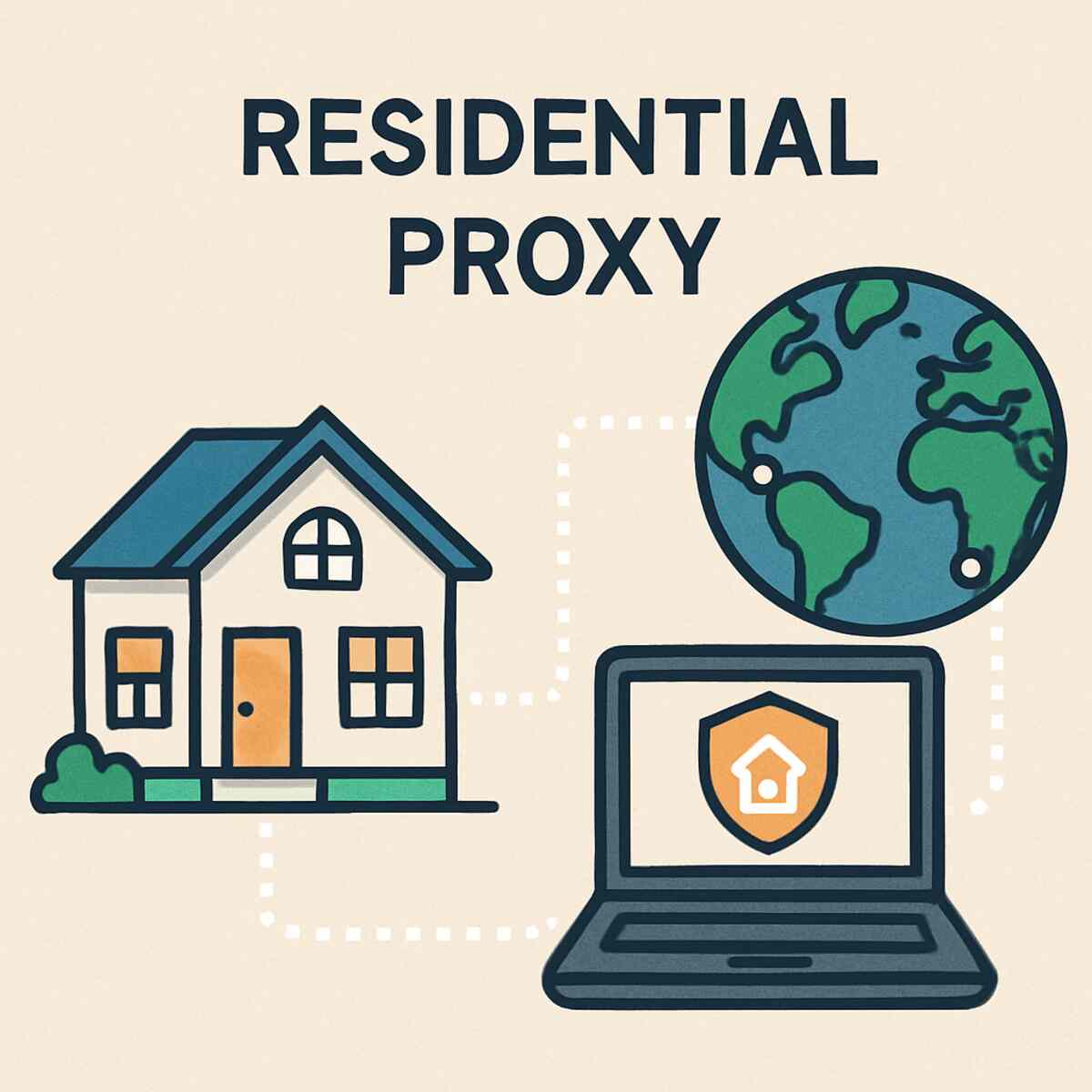
A residential proxy is a type of proxy server that uses IP addresses provided by Internet Service Providers (ISPs) to homeowners. These IPs are associated with physical locations, making them appear as though they are from real residential addresses. This makes them highly reliable and less likely to be blocked by websites compared to other types of proxies, like data center proxies.
Residential proxies are particularly useful for tasks that require a high level of trust and authenticity. Since these IP addresses are seen as legitimate by websites, they are less likely to trigger security measures or CAPTCHAs.
The main advantage of residential proxies is their ability to rotate IP addresses, making it harder for websites to detect and block them. This feature is especially beneficial for web scraping and automation tasks.
Differences Between Data Center and Residential Proxies
Data center proxies, unlike residential proxies, use IP addresses that originate from data centers rather than ISPs. This makes them faster and often cheaper, but also more likely to be detected and blocked by websites.
Residential proxies, on the other hand, are generally more expensive due to their higher reliability and lower detection rates. They offer a greater level of anonymity, making them ideal for sensitive tasks.
While data center proxies may suffice for less sensitive tasks, residential proxies are the preferred choice for activities that require stealth and credibility.
Why Use a Residential Proxy?
Residential proxies are particularly popular for tasks such as web scraping, ad verification, and accessing geo-restricted content. Here are a few reasons why you might choose them:
Anonymity and Security
Residential proxies provide a high level of anonymity because they use real IP addresses. This makes it harder for websites to detect and block them. The use of genuine IP addresses means that the user’s online activities appear more legitimate and less suspicious.
By masking the user’s IP address, residential proxies help protect personal information and prevent tracking by third parties. This is crucial for maintaining privacy and security online.
The anonymity provided by residential proxies is also beneficial for businesses conducting competitive analysis or research, as it allows them to gather data without revealing their identity.
Access to Geo-restricted Content
If you want to access content that is restricted in certain locations, residential proxies can help by allowing you to appear as if you’re browsing from a different location. This is particularly useful for streaming services, news sites, and other platforms with region-specific content.
By using residential proxies, users can bypass censorship and access a wider range of information and entertainment. This is especially important for users in countries with strict internet regulations.
Residential proxies also enable businesses to test their websites and applications from various locations, ensuring a consistent user experience across different regions.
Web Scraping
When scraping data from websites, using residential proxies can help you avoid being blocked, as they rotate IP addresses and make it look like the requests are coming from multiple users. This is essential for collecting large amounts of data efficiently and without interruptions.
The rotating IP feature of residential proxies allows users to scrape data at scale without triggering anti-bot measures. This is crucial for businesses that rely on data-driven insights for decision-making.
Residential proxies also provide the flexibility to target specific regions or demographics, making them ideal for market research and competitive analysis.
Key Features to Consider in a Residential Proxy Service
When choosing a residential proxy service, consider the following features:
1. IP Pool Size and Rotation
A large pool of IP addresses is crucial, especially for tasks like web scraping, where IP rotation can help prevent blocks. Ensure the service offers automatic IP rotation to manage your connections seamlessly.
A diverse IP pool allows users to access a wide range of locations and reduces the risk of detection by websites. This is particularly important for businesses that require extensive data collection.
Automatic IP rotation not only enhances anonymity but also improves the efficiency of web scraping tasks by distributing requests across multiple IPs.
2. Speed and Performance
Slow proxies can hinder your tasks, especially if you’re working on time-sensitive projects. Look for services that offer high-speed connections with minimal latency.
The speed of a proxy service can significantly impact the user experience, especially for activities like streaming and gaming. High-speed proxies ensure smooth and uninterrupted access to content.
Performance is also important for businesses that rely on real-time data, as any delays can affect the accuracy and timeliness of their insights.
3. Geographic Coverage
If accessing content from specific countries is important to you, check the geographic coverage of the proxy service. A good service should offer IPs from a wide range of locations.
Comprehensive geographic coverage allows users to bypass regional restrictions and access content from anywhere in the world. This is crucial for businesses with a global presence.
The ability to choose IPs from specific regions also enables targeted marketing and testing, ensuring that content resonates with the intended audience.
4. Authentication Methods
Check the authentication methods offered by the service. Most services provide username and password authentication, but some also offer IP whitelisting, which can enhance security.
Authentication is a key factor in ensuring the security and reliability of a proxy service. It prevents unauthorized access and protects user data.
IP whitelisting is particularly beneficial for businesses with multiple users, as it allows them to control who can access the proxy service and from which locations.
5. Customer Support
Reliable customer support is vital. Choose a service that offers 24/7 support, so you can resolve any issues promptly.
Good customer support ensures that users receive timely assistance and guidance, reducing downtime and enhancing productivity. This is especially important for businesses that rely on proxy services for critical operations.
A knowledgeable support team can also help users optimize their proxy configurations and troubleshoot any technical issues they may encounter.
Popular Residential Proxy Service Providers
There are several reputable residential proxy service providers in the market. Here are a few to consider:
Smartproxy
Smartproxy offers a large pool of IPs from various locations worldwide. Their service is known for its ease of use and reliable customer support.
Smartproxy’s user-friendly interface makes it accessible to both beginners and experienced users. They offer flexible plans that cater to different needs and budgets.
Their commitment to customer satisfaction is evident in their responsive support team, which is available to assist users with any queries or issues they may have.
Oxylabs
Oxylabs provides a vast range of IPs and is well-suited for large-scale web scraping projects. They offer both residential and data center proxies.
Oxylabs’ extensive IP pool ensures reliable and efficient data collection, making it a preferred choice for businesses that require large volumes of data.
Their advanced features, such as AI-powered web scraping solutions, set them apart from other providers and enhance the user experience.
Luminati (Bright Data)
Luminati, now known as Bright Data, is one of the largest providers of residential proxies. They offer extensive features and a vast IP pool, although they are on the pricier side.
Bright Data’s comprehensive service includes a wide range of proxy solutions, catering to various use cases and industries. Their commitment to innovation is reflected in their cutting-edge technologies and features.
Despite their higher price point, Bright Data is a popular choice for businesses that prioritize reliability and performance in their proxy services.
How to Start Using a Residential Proxy
Starting with a residential proxy service is generally straightforward:
1. Sign Up
Choose a provider and create an account. Most providers offer a simple registration process, allowing users to get started quickly and easily.
Once registered, users can access their account dashboard, where they can manage their proxy settings and configurations.
2. Select a Plan
Most providers offer different plans based on bandwidth or the number of IPs. Choose one that suits your needs.
Consider your specific requirements and budget when selecting a plan. Some providers offer trial periods or money-back guarantees, allowing users to test the service before committing.
3. Configure Your Device
Follow the provider’s instructions to set up the proxy on your device or application. This often involves entering the proxy IP address and authentication details.
Providers typically offer detailed setup guides and tutorials, making it easy for users to configure their devices and start using the proxy service.
4. Test the Connection
Before starting your tasks, test the connection to ensure everything is working smoothly. This step is crucial to identify any issues and optimize performance.
Testing the connection allows users to verify that their proxy settings are correct and that they can access the desired content without any problems.
Final Thoughts
Choosing the right residential proxy service depends on your specific needs and tasks. By understanding the basics of what proxies are and considering the key features and providers mentioned, you can make an informed decision that enhances your online activities.
Remember, the right proxy service not only provides anonymity and security but also ensures efficient and uninterrupted access to the internet. Happy browsing!
Selecting the ideal residential proxy service involves careful consideration of factors such as IP pool size, speed, geographic coverage, and customer support. Each of these elements plays a crucial role in determining the overall quality and effectiveness of the service.
As the digital landscape continues to evolve, residential proxies remain a valuable tool for individuals and businesses seeking to navigate the internet with greater freedom and security. Whether for personal or professional use, a well-chosen proxy service can unlock new opportunities and enhance your online experience.
