



Before diving into character creation, it’s important to understand the unique environment of the MechWarrior RPG. The MechWarrior universe is a complex tapestry of political intrigue, epic battles, and advanced technology. Characters within this universe need to fit seamlessly into its intricate lore while standing out as unique individuals. Check out Login AGENDADU to know more
The Historical Context of MechWarrior
The MechWarrior universe is steeped in a rich history that spans centuries. Understanding this background can inform your character’s perspective on the current state of affairs. From the rise and fall of the Star League to the incessant conflicts among the Great Houses, these historical events shape the political and social dynamics your character will navigate. Delving into this history can provide your character with motivations grounded in the universe’s past.
Societal Structures and Factions
In MechWarrior, society is divided into various factions and houses, each with its unique culture, values, and goals. Whether your character belongs to the noble House Davion or the enigmatic Clan Wolf, their allegiance will influence their worldview and interactions. Consider how your character’s faction shapes their identity, relationships, and conflicts. This understanding will help anchor them within the universe while providing opportunities for tension and growth.
The Technological Landscape
The MechWarrior universe is a high-tech world where advanced machinery, particularly the BattleMechs, play a central role. Your character’s familiarity and expertise with this technology can be a defining trait. Are they a seasoned pilot who knows their Mech inside out, or a tech genius who can modify Mechs for superior performance? Technology not only affects your character’s abilities but also their status and influence within the universe.
The Role of Characters in MechWarrior
Characters in MechWarrior aren’t just pilots of giant mechs; they’re integral to the unfolding drama within the game’s universe. Whether they’re seasoned warriors with a storied past or rookies eager to prove their worth, each character adds depth to the narrative. Characters bring the world to life, driving the storyline with their personal goals, conflicts, and relationships.
Driving the Narrative Forward
In MechWarrior, characters are the heartbeat of the narrative, propelling the story forward through their actions and decisions. Each character’s journey can introduce new plotlines, conflicts, and resolutions. Consider how your character’s personal quest or challenge fits into the broader storyline. Whether they are seeking revenge, redemption, or glory, their motivations will influence the direction of the plot and engage your audience.
Building Complex Relationships
The interactions between characters in MechWarrior can create rich, multi-layered stories. Relationships can range from deep camaraderie to intense rivalry, each adding emotional depth to the narrative. Think about how your character relates to others in their unit, their superiors, or their enemies. These relationships can evolve, presenting opportunities for character growth and dramatic tension.
Highlighting Personal Growth and Transformation
A compelling MechWarrior character undergoes significant growth throughout the story. Their experiences, successes, and failures should lead to personal development. This transformation can be subtle or dramatic but should always feel authentic and earned. Reflect on the challenges your character faces and how they change as a result. This evolution not only enhances the character’s depth but also resonates with your audience, making their journey memorable.
Steps to Crafting Compelling Characters
Creating engaging characters involves a blend of creativity and strategy. Here’s a step-by-step guide to help you get started.
Step 1: Define Your Character’s Backstory
A rich backstory is the foundation of any memorable character. Consider what events shaped your character’s life before they entered the MechWarrior saga. Were they born into a military family, or did they stumble upon the world of mechs by chance? The past experiences and traumas of your character will influence their motivations and actions.
Early Influences and Life Events
Exploring your character’s early life can provide insight into their current motivations. What pivotal events or influences shaped their worldview? Perhaps they experienced a family tragedy or were inspired by a legendary MechWarrior. These formative experiences lay the groundwork for their current goals and aspirations, offering a rich tapestry of emotions and motivations to draw upon.
Personal Struggles and Triumphs
Every character has faced struggles and triumphs that have defined them. Consider the personal challenges your character has overcome and the victories they have celebrated. These experiences can add layers to their personality, making them relatable and realistic. How have these events impacted their outlook on life and their approach to challenges in the MechWarrior universe?
Motivations and Aspirations
Understanding what drives your character is crucial for creating a compelling narrative. What are their deepest desires and fears? Are they motivated by a quest for power, a need for vengeance, or a desire to protect loved ones? Identifying these core motivations helps in crafting a character whose actions are consistent and impactful, providing a clear trajectory for their story arc.
Step 2: Determine Their Role in the Story
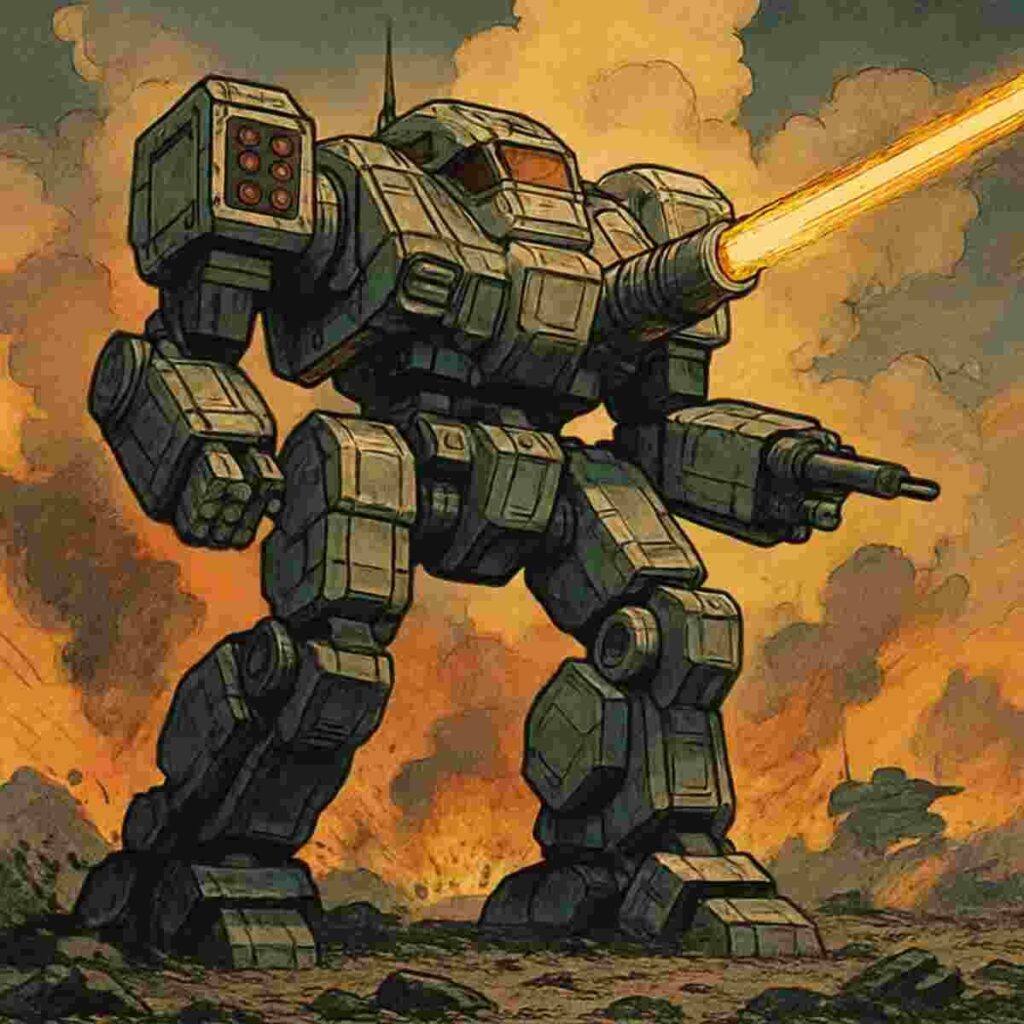
Every character plays a distinct role in the narrative. Are they the protagonist leading the charge, or a supporting character providing crucial intel? Clarifying their role will help you develop their personality and relationships with other characters. Remember, even minor characters can have a significant impact on the story.
Protagonists and Antagonists
In MechWarrior, the protagonist often takes center stage, driving the main storyline. However, antagonists are equally important, providing conflict and challenges. Consider how your character fits into these roles. Are they a hero striving for justice or a villain with complex motives? A well-developed antagonist can be as compelling as a protagonist, adding depth and tension to the story.
Supporting Characters and Their Importance
Supporting characters can enrich the narrative by providing different perspectives and aiding the protagonist. They can be mentors, allies, or even foils to the main characters. Think about how your character interacts with these supporting roles. Do they have a trusted confidant, or are they constantly at odds with a rival? These dynamics add complexity to the story and can lead to unexpected plot twists.
The Impact of Roles on Character Development
The role your character plays in the story can significantly influence their development. A character thrust into leadership may discover hidden strengths, while a supporting character might grapple with feelings of inadequacy. Consider how your character’s role challenges them and prompts growth. This exploration can lead to a richer, more nuanced portrayal that captivates your audience.
Step 3: Establish Personality Traits
Personality traits make your character relatable and realistic. Is your character a fearless leader, a cunning strategist, or a compassionate healer? Use these traits to guide their decisions and interactions. Consider how these traits might evolve throughout the story as they face challenges and develop new perspectives.
Core Personality Traits
Identifying your character’s core personality traits is essential for consistency. Are they inherently optimistic, or do they harbor a cynical view of the world? These traits influence how they react to situations and interact with others. A well-defined personality provides a foundation for your character’s actions and decisions, ensuring they remain authentic throughout the narrative.
Dynamic Personality Changes
Characters in MechWarrior should evolve as they encounter new experiences. Consider how the challenges they face impact their personality. A character initially driven by revenge might discover a capacity for forgiveness, while a solitary figure might learn the value of teamwork. These transformations add depth and keep the character engaging and relatable to the audience.
Balancing Strengths and Flaws
A balanced character has both strengths and flaws, making them relatable and human. Consider how your character’s strengths aid them and how their flaws create obstacles. A fearless leader might struggle with vulnerability, while a cunning strategist might lack empathy. These contrasts create opportunities for growth and conflict, enhancing the character’s complexity and appeal.
Step 4: Develop Unique Skills and Abilities
In the MechWarrior universe, skills and abilities are crucial. Decide on your character’s strengths and weaknesses. Are they an ace pilot, a tech-savvy engineer, or a diplomatic negotiator? These skills will not only define their role within the team but also influence the dynamics of the group.
Defining Core Competencies
Identify the core competencies that make your character stand out in the MechWarrior universe. Are they unparalleled in piloting skills, or do they possess a deep understanding of Mech technology? These skills should align with their backstory and role, providing a logical foundation for their abilities. A character’s expertise can drive the plot and create opportunities for tension and resolution.
Skill Development and Growth
As the story progresses, your character’s skills can evolve. Consider how they might acquire new abilities or refine existing ones. Training, experience, or mentorship can lead to skill enhancement, reflecting their journey and growth. This evolution not only adds depth to the character but also keeps the narrative dynamic and engaging.
Balancing Abilities with Limitations
While skills are important, it’s equally vital to define your character’s limitations. A character with no weaknesses can become unrelatable and uninteresting. Consider areas where your character struggles or lacks proficiency. These limitations create opportunities for conflict and character development, making their journey more compelling and realistic.
Step 5: Craft Engaging Dialogue
Dialogue breathes life into your characters. It reveals their thoughts, emotions, and relationships. Consider how your character speaks. Do they have a catchphrase, a unique way of speaking, or an accent that sets them apart? Authentic dialogue can make interactions more engaging and memorable.
Crafting Authentic Voices
Each character should have a distinct voice that reflects their personality and background. Consider how their upbringing, education, and experiences influence their speech patterns and vocabulary. A character from a noble house might speak formally, while a rogue might use slang. These nuances add authenticity and help the audience connect with the character.
Using Dialogue for Character Development
Dialogue is a powerful tool for revealing character traits and motivations. Consider how your character’s speech conveys their thoughts and emotions. Do they speak with confidence, or are they hesitant and unsure? These subtleties provide insight into their inner world and can foreshadow future developments in their arc.
Enhancing Plot and Tension
Dialogue can drive the plot forward and create tension between characters. Consider how conversations can introduce new conflicts or resolutions. A heated exchange might reveal a character’s hidden agenda, while a heartfelt confession might lead to reconciliation. These interactions keep the story dynamic and engaging, drawing the audience deeper into the narrative.
Practical Tips for Character Development
Creating characters in MechWarrior is a creative process that benefits from practical exercises. Here are some tips to enhance your character-building skills:
Character Sketches
Character sketches are a visual tool that helps solidify your character’s image in your mind. When creating sketches, consider not only physical appearances but also symbolic items or clothing that reflect their personality or role. For instance, a character with a scar might have a history of battle, while a trinket they carry could have sentimental value. These visual details enhance the reader’s understanding and connection to the character.
Character Journals
Writing journal entries from your character’s perspective allows you to explore their inner thoughts and motivations. This exercise can reveal hidden aspects of their personality or struggles they face. Regular journaling can track their growth and evolution over time. By stepping into your character’s shoes, you gain a deeper understanding of their emotions and reactions, enriching the narrative.
Role-Playing
Role-playing sessions offer an interactive way to test your character’s development. Engaging in scenarios with friends can reveal how your character might react to unexpected situations or conflicts. This practice provides insights into their behavior, strengths, and weaknesses, allowing you to refine their personality and role in the story. Role-playing also adds an element of fun and creativity to the character-building process.
Common Pitfalls to Avoid
While creating characters, it’s easy to fall into certain traps. Here are common pitfalls to avoid:
Avoiding Clichés
Relying on clichés can make your characters feel predictable and uninspired. Strive for originality by adding unique twists to familiar archetypes. Consider how you can subvert expectations or introduce complexity to well-known character types. By avoiding clichés, you ensure your characters are fresh and engaging, keeping the audience invested in their journey.
Depth Over One-Dimensionality
One-dimensional characters lack the depth needed to engage audiences. Ensure your characters are multi-faceted, with both strengths and weaknesses. Explore their internal conflicts, moral dilemmas, and aspirations. By creating well-rounded characters, you provide opportunities for growth and transformation, making their stories more compelling and relatable.
Embracing Character Growth
Characters should evolve throughout the narrative, learning from their experiences and adapting to new challenges. Avoid static characters who remain unchanged from start to finish. Instead, embrace character growth, allowing them to learn, fail, and succeed. This evolution adds depth and authenticity, making their journey resonate with the audience.
Conclusion
Crafting memorable characters in the MechWarrior RPG is both an art and a science. By following these steps and tips, you’ll be equipped to create characters that captivate your audience and enrich your storytelling. Remember, every character has a story to tell, and it’s your job to bring that story to life in the thrilling world of MechWarrior.
Now, go forth and let your creativity soar as you develop characters that will become legends in the MechWarrior universe!
